How the Digital Twin is Transforming CNC Parts Manufacturing

2 Mins
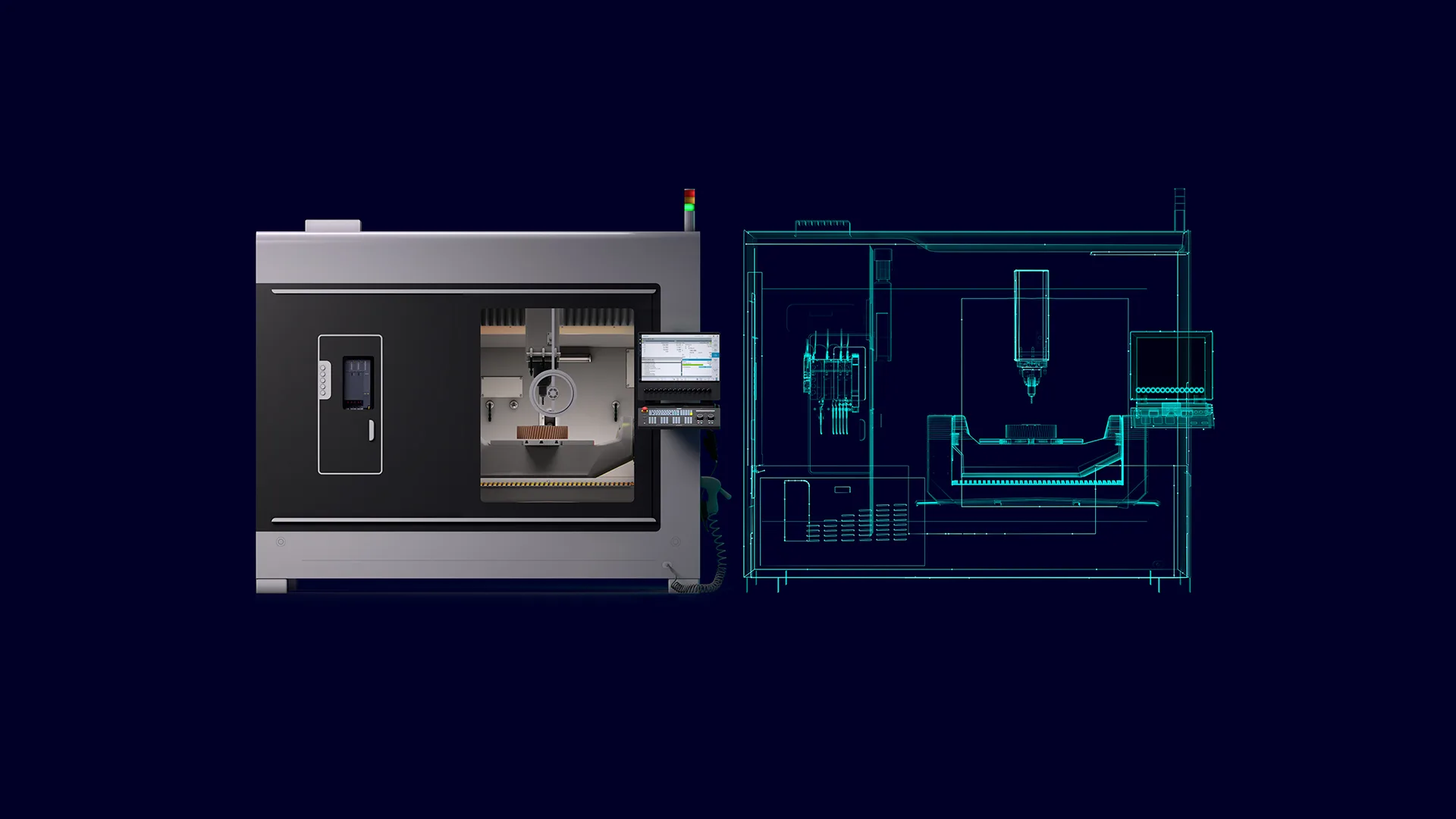
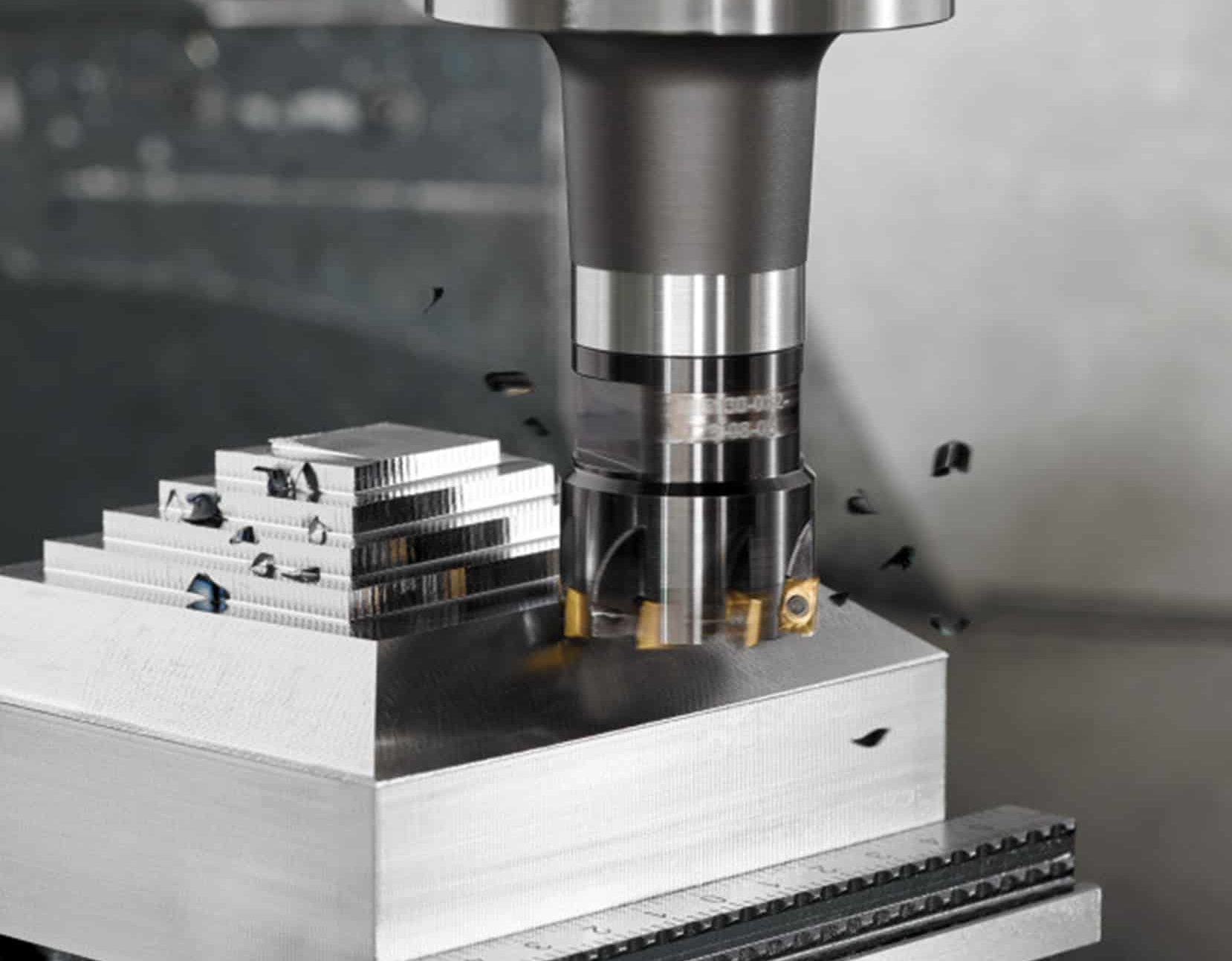
Manufacturers are under constant pressure to improve precision, reduce costs, and shorten production cycles. In CNC parts manufacturing, even small errors in programming or setup can lead to expensive scrap, machine downtime, and delayed deliveries.
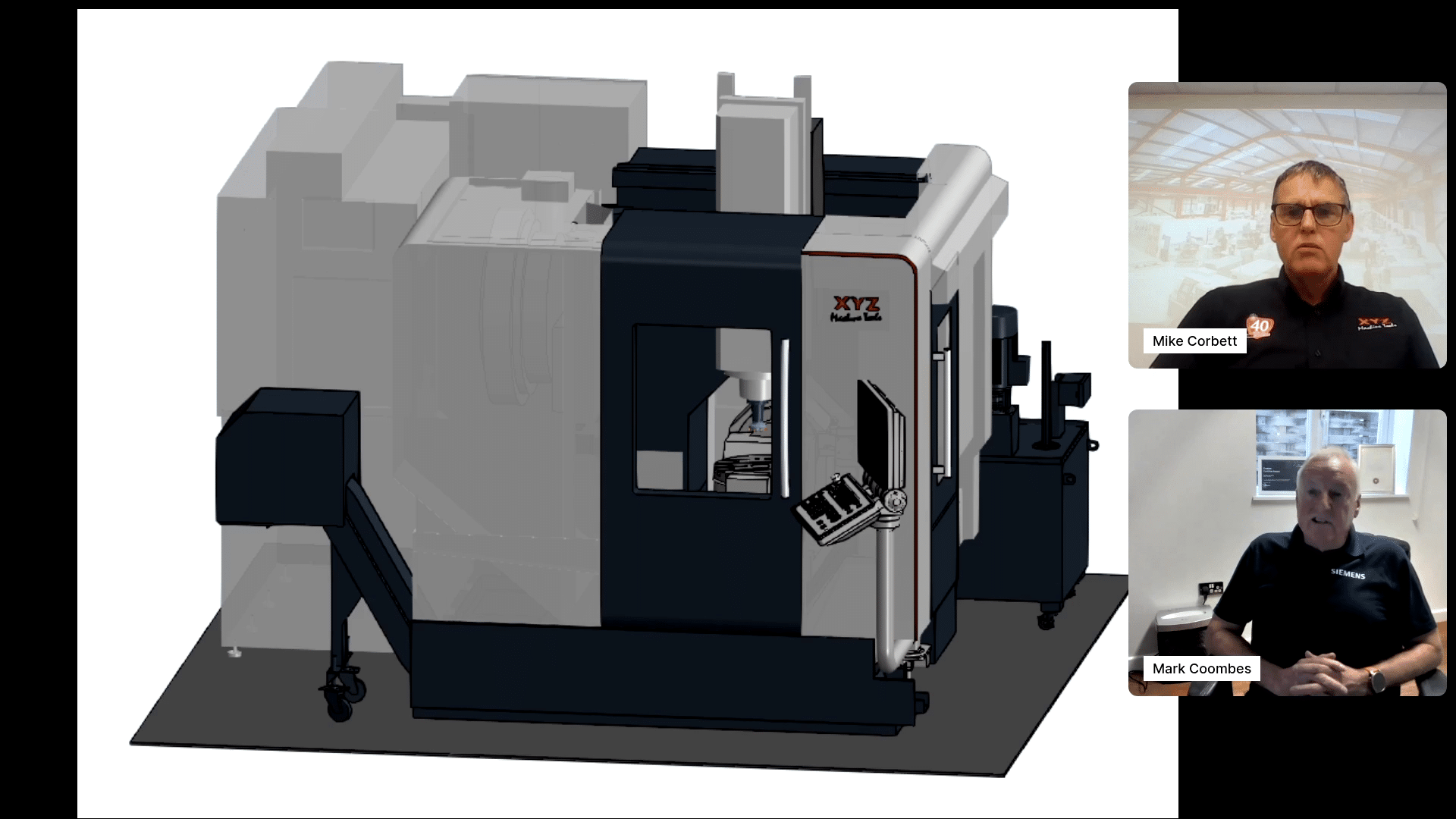
The Digital Twin is changing this process by creating a virtual representation of machines, tools, NC programmes, and machining operations before anything is executed on the shop floor. This allows engineers to test and refine processes in a simulated environment that behaves like the real machine.
Virtual validation before production
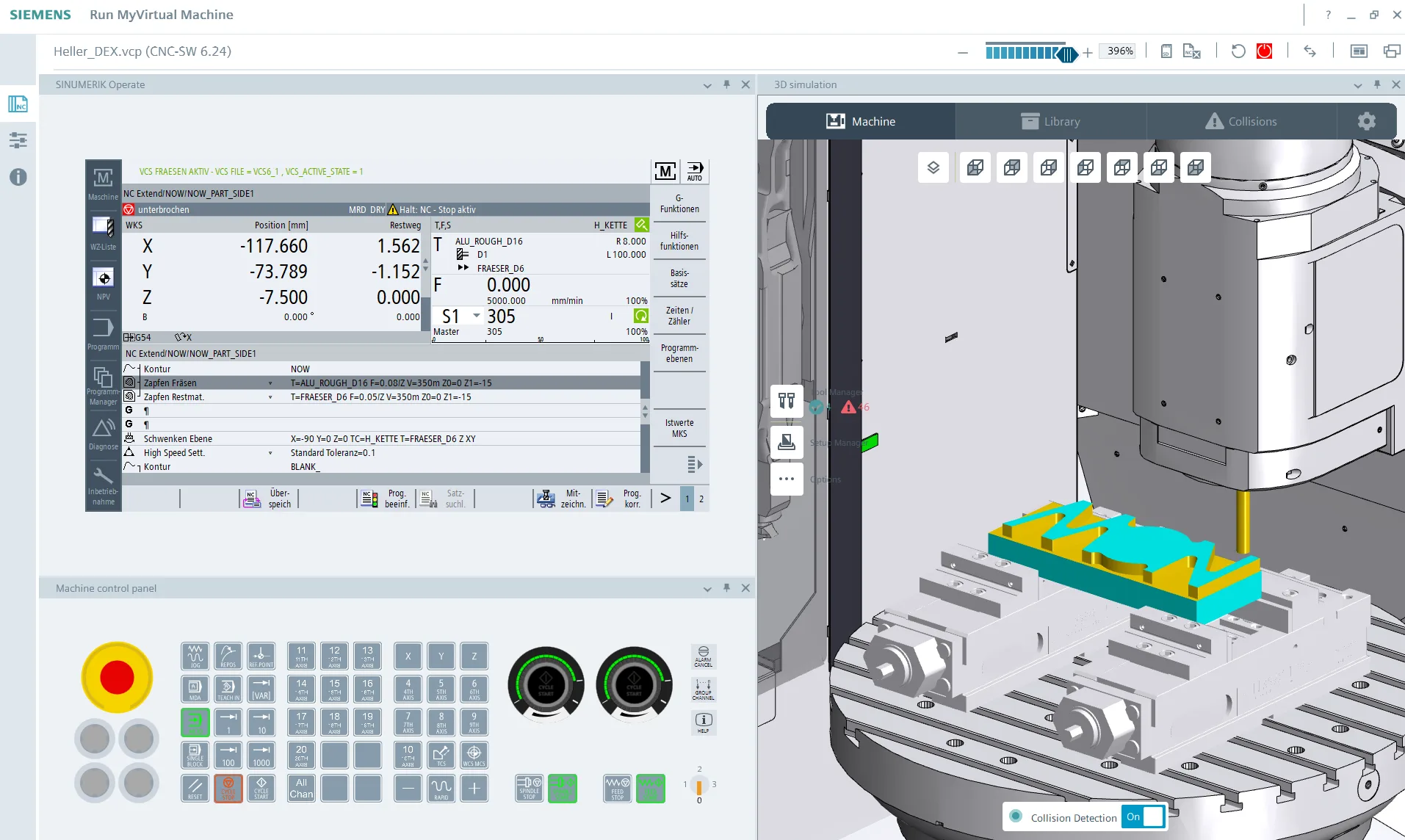
With a Digital Twin, CNC machining jobs can be prepared and validated entirely in advance. Engineers can simulate tool paths, machine movements, and cutting strategies to identify potential collisions or inefficiencies early.
This reduces the need for physical trial runs and helps ensure that programmes are correct the first time they are run on the machine.
Improved efficiency and reduced downtime
By shifting setup and testing into a virtual environment, manufacturers can significantly reduce machine downtime. CNC programmes can be created and tested offline, allowing production machines to remain in operation.
This improves overall equipment efficiency and accelerates commissioning of new parts and production processes.
Higher precision and fewer errors
The Digital Twin enables detailed simulation of machining behaviour, including machine kinematics and tool interaction. This helps detect errors before they occur in the real world, reducing scrap and rework.
As a result, manufacturers achieve more consistent part quality and greater confidence in production outcomes.
Faster product development cycles
Virtual testing and optimisation shorten the time required to bring new parts into production. Engineers can refine designs and machining strategies without interrupting physical manufacturing, supporting faster time-to-market.
Training and workforce development
Operators can also be trained on virtual machines using Digital Twin technology. This provides realistic training scenarios without risk to equipment or production schedules, improving skills and readiness before working on live machines.
Towards intelligent manufacturing
Modern Digital Twin systems increasingly combine simulation with real-time data and industrial AI. This creates a continuous feedback loop between the physical and digital worlds, enabling smarter decision-making and ongoing optimisation of manufacturing processes.
In CNC manufacturing, this marks a shift from reactive production to predictive and highly controlled machining environments.
Sponsored content
Want to know more about this article?
Ask us below...