Eliminating the guesswork in quoting

3 Mins
Published in Comment & Opinion
For many years, traditional quoting methods relied heavily on individual experience and limited early-stage information. This has its own set of challenges, such as individual judgment leading to underpricing and overpricing, introducing inconsistency between quotes. Different estimators may produce different quotes for similar jobs, which increases variability, frequent discrepancies between quoted and actual costs and makes it harder to maintain reliable pricing. These inefficiencies are increasingly difficult to sustain in today’s fast production environment. In this article, Adam Ball, Commercial Director at Lantek, tells Machinery & Manufacturing magazine how manufacturers can overcome production challenges and financial loss by digitalising quoting processes.
One of the main challenges that lies with generating quotes is the limited information available at the quoting stage. A certain number of key factors directly affect final costs, but many remain unknown until later in the production process. These includes labour, material utilisation, nesting strategies, material waste and real machine run time. As the quote is generated before production begins, sales team representatives who rely on past job performance and personal judgement without utilising digital workflows can risk potential financial loss.
Manual processes can also be time-consuming and prone to human error, which can slow down response times and place additional pressure on sales teams. That’s why integrated digital quoting systems are essential for scalability, improving accuracy, consistency and profitability.
The need for digital quoting systems
With increasing customer expectations for quick quotes and fast turnaround, price remains a decisive factor in securing jobs. But consistency is equally important. Quotes that fail to reflect real production costs can lead to a rise in unexpected costs, reduced profit margins, misaligned customer expectations and production planning issues. Digital quoting systems address these challenges by leveraging real production data to reduce reliance on spreadsheets and improve pricing consistency.
Generating accurate quotes with real production data
Many workshops now use digital systems to capture data, which makes streamlining the quoting process more achievable. Digital workflows can record how parts are nested, the material yield achieved and the real machine times generated in production.
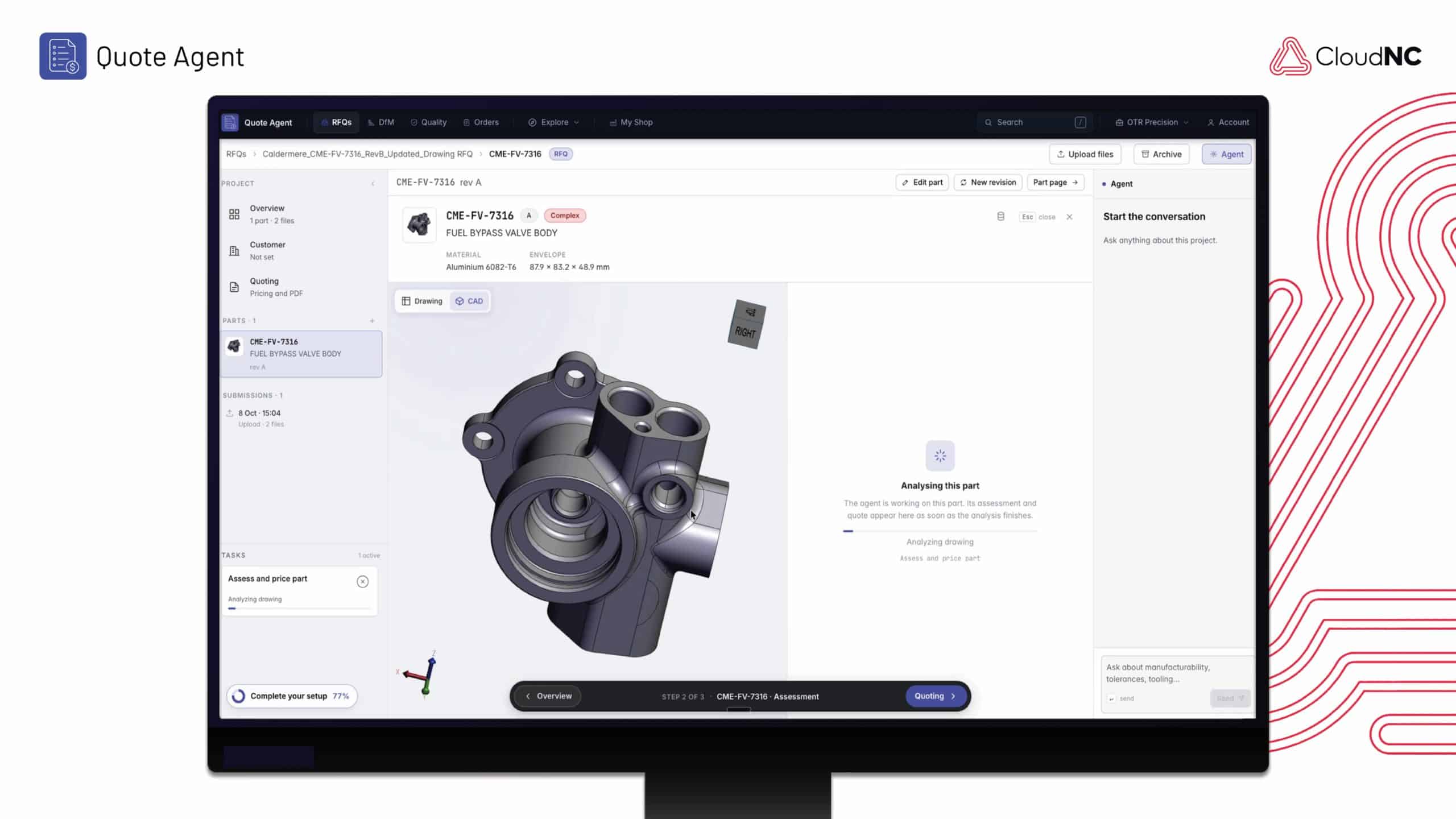
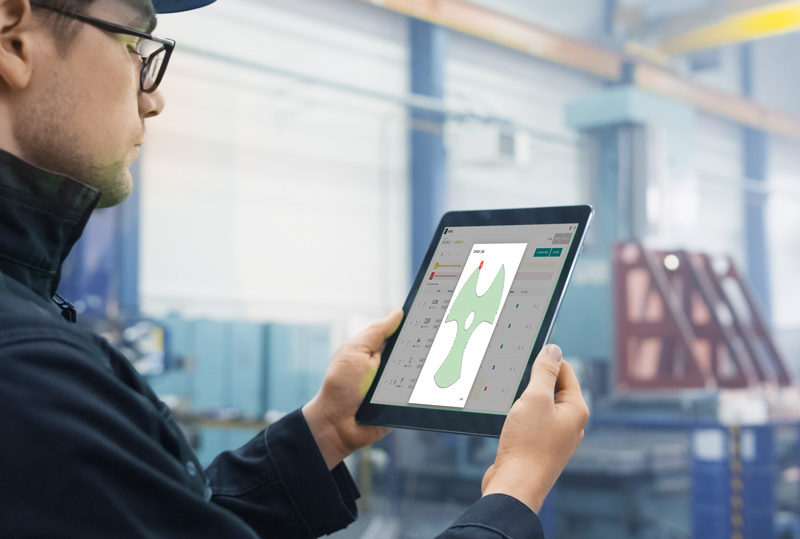
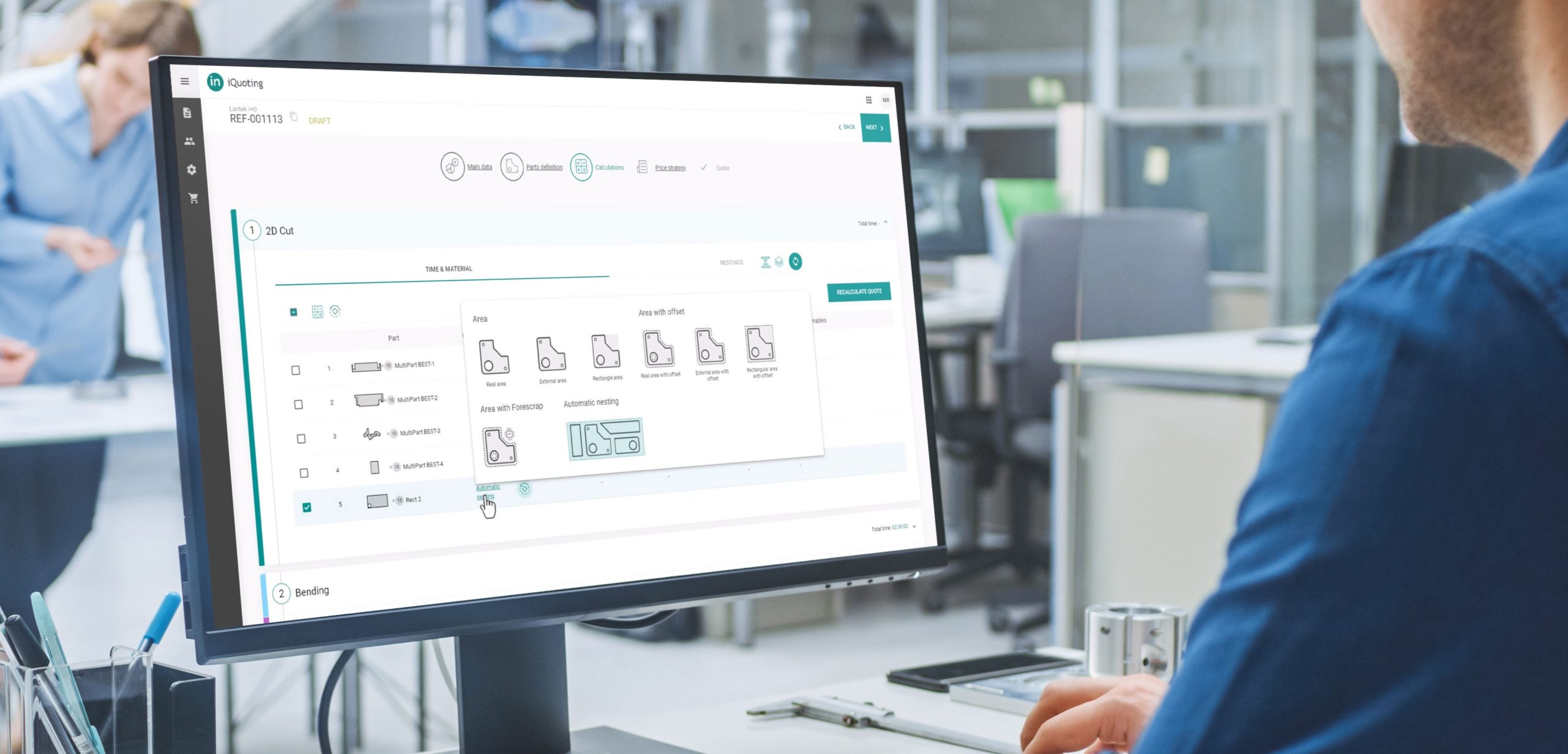
The actual challenge is using this data to generate a quote before production processes are defined. Advanced integrated quoting systems, like Lantek iQuoting, help sheet metal manufacturers to digitalise the quoting process with a low financial and operational impact, improving quoting accuracy and turnaround times.
More advanced approaches are now seeing integration with digital quoting systems, including process-based calculation models and machine learning algorithms trained on real manufacturing and sales data. These models learn from historical production outcomes to improve the accuracy of early-stage cost estimation. Automated cost calculations eliminate much of the manual work involved in traditional quoting. This capability enables faster response times to customer enquiries and allows sales teams to focus more on securing business opportunities and higher value tasks.
Where historical data is limited, advanced quoting systems rely on parameterised models and workshop criteria to improve accurate quoting from day one as new operational data is collected. This reduces uncertainty in delivering accurate quotations and alleviates pressure on sales teams to produce precise estimates.
By standardising data inputs and calculation models, digital quoting systems ensure that estimators are working from the same assumptions, reducing variation between quotes. With clearer visibility in the quoting process, manufacturers can price more strategically.
Improving production with integrated workflows
The core of any impressive quoting system is its use of real production data to generate accurate prices. A fully digital quoting process is most effective when integrated with other core manufacturing systems such as ERP and production planning tools. This integration allows data to flow across the shop floor and ensures quotes are based on real-time performance.
By integrating data, standardising calculations and automating key parts of the estimation process, manufacturers can work more efficiently and protect profit margins. When manufacturers consistently deliver on quoted prices without unexpected overruns or production delays caused by inaccurate costing, it strengthens customer trust and builds long-term relationships.
Want to know more about this article?
Ask us below...