XYZ 1600 LR machining centre helps Patterns (Derby) reduce set-up times

4 Mins
Published in CNC Machining
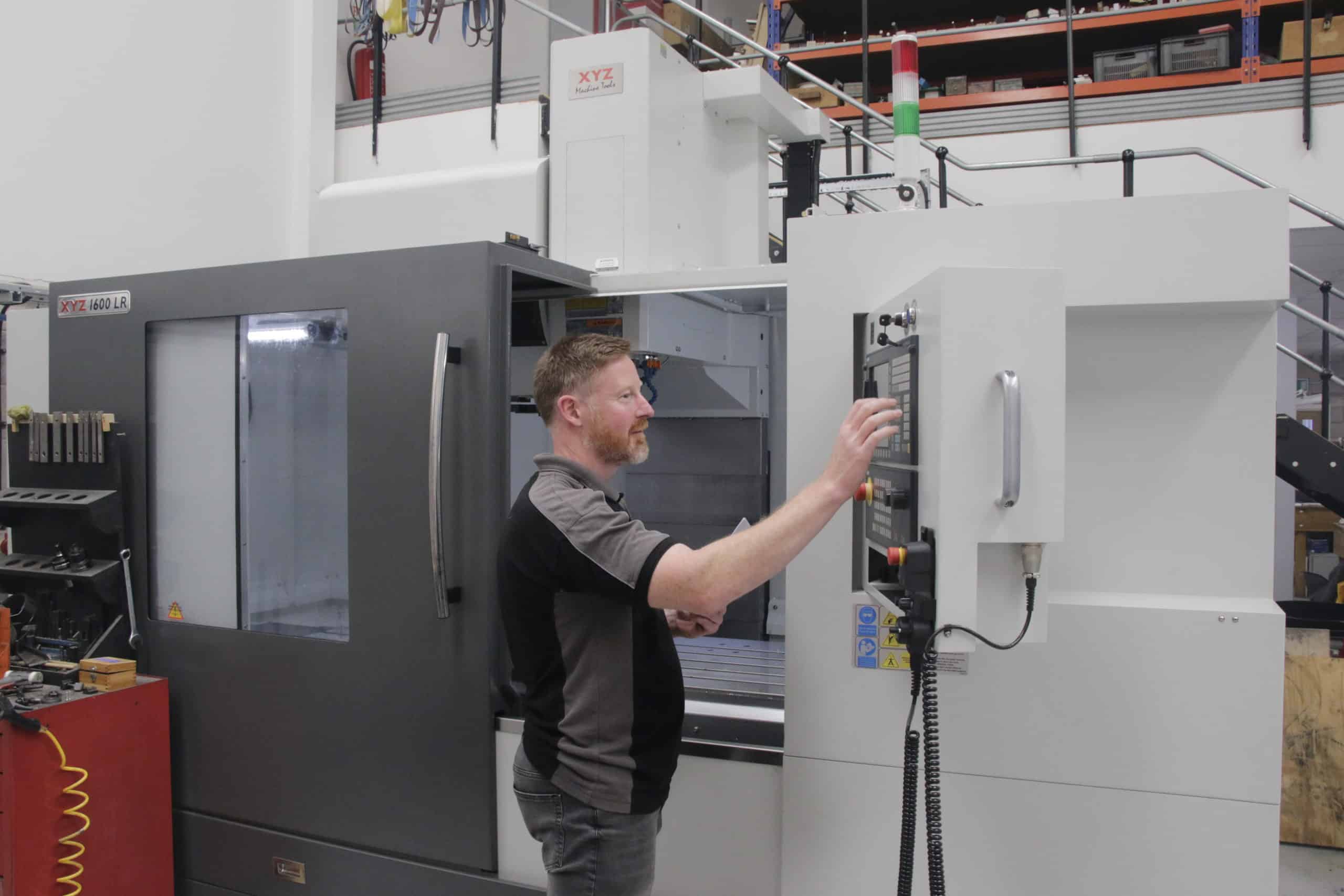
When, out of the blue, Steve Smith and Simon Walters were asked if they wanted to acquire the business they worked for, it came as quite a shock. Patterns (Derby), a company steeped in history following its formation in 1947 by Sam Attwood, stayed in family ownership until 2010 when Steve and Simon were invited to purchase the business. The opportunity was accepted
When Patterns (Derby) was established, there were two main elements to the company. A precision machining side producing tooling and parts for the energy and aircraft sectors, and a patternmaking side constructing wooden patterns for the foundry industry.
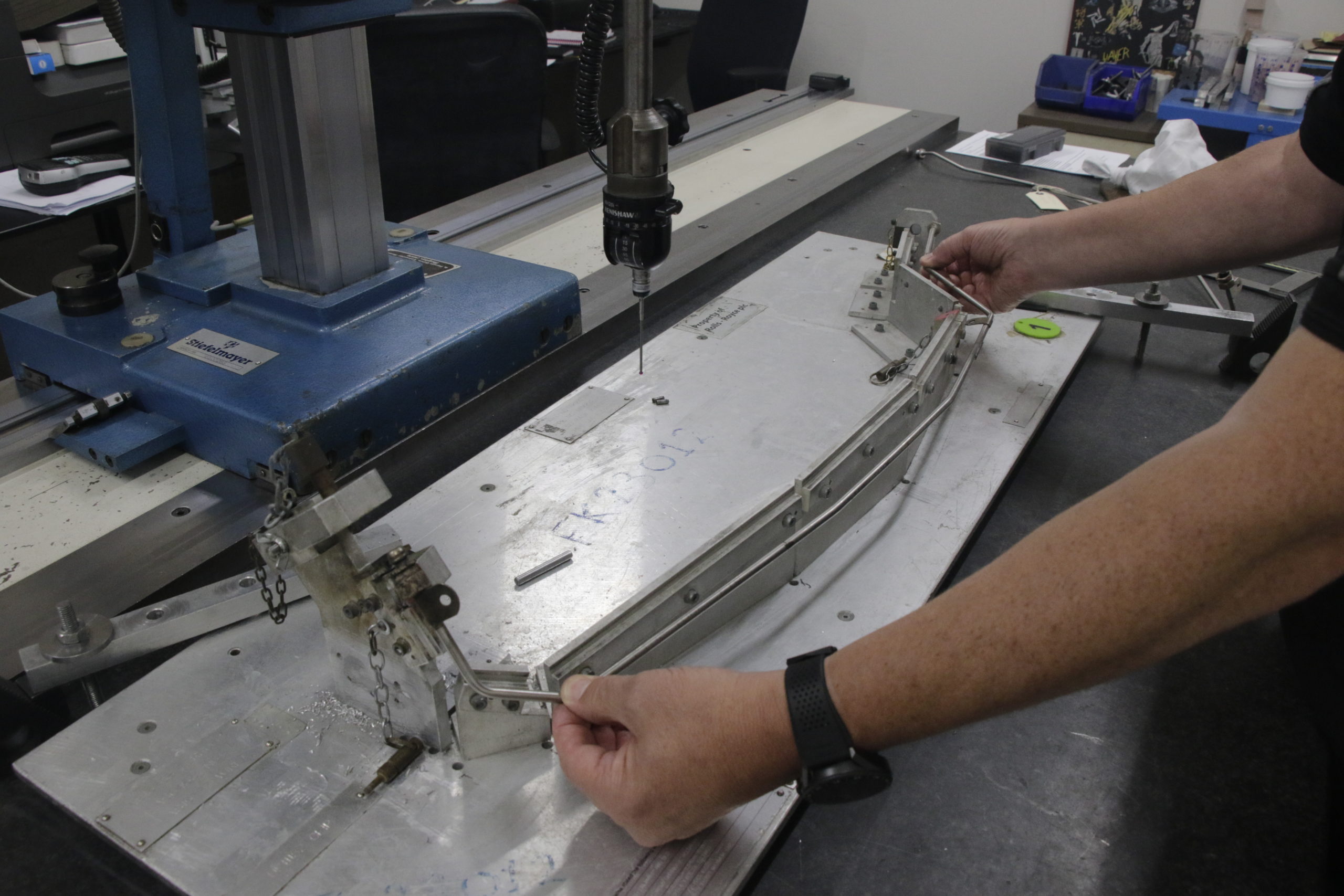
As its reputation grew, Patterns (Derby) was approached by a leading aero-engine manufacturer to produce inspection fixtures for the pipework that carries fluids throughout the jet engine. Initially made from wood, these manufacturing and inspection fixtures are today produced from aluminium to provide greater durability and longevity.
By Steve and Simon’s own admission, taking on the business was met with trepidation, but they’ve continued to make investments to enhance its potential. One of these was the move to new premises located at Eagle Park, Derby in 2018, enabling the company to put all its manufacturing under one roof and improve workflow.
Although the precision machining skills and knowledge of pattern/fixture manufacture are core to the business, the technology used to manufacture products has developed over the years. The company still retains several manual mills and has a number of XYZ CNC turret mills fitted with the ProtoTRAK control in both two- and three- axis configurations. These sit alongside a couple of ProTURN lathes for the precision turned parts and pins required on the pipe checking fixtures. But it’s the latest investment that really stands out.
Steve takes up the story: “We have had a couple of vertical machining centres for a few years. I brought one to the business when I joined in 2003. This particular machine was still in great shape mechanically, but its electrics were becoming problematic. We made the decision to move it on and invest in a new machine.”
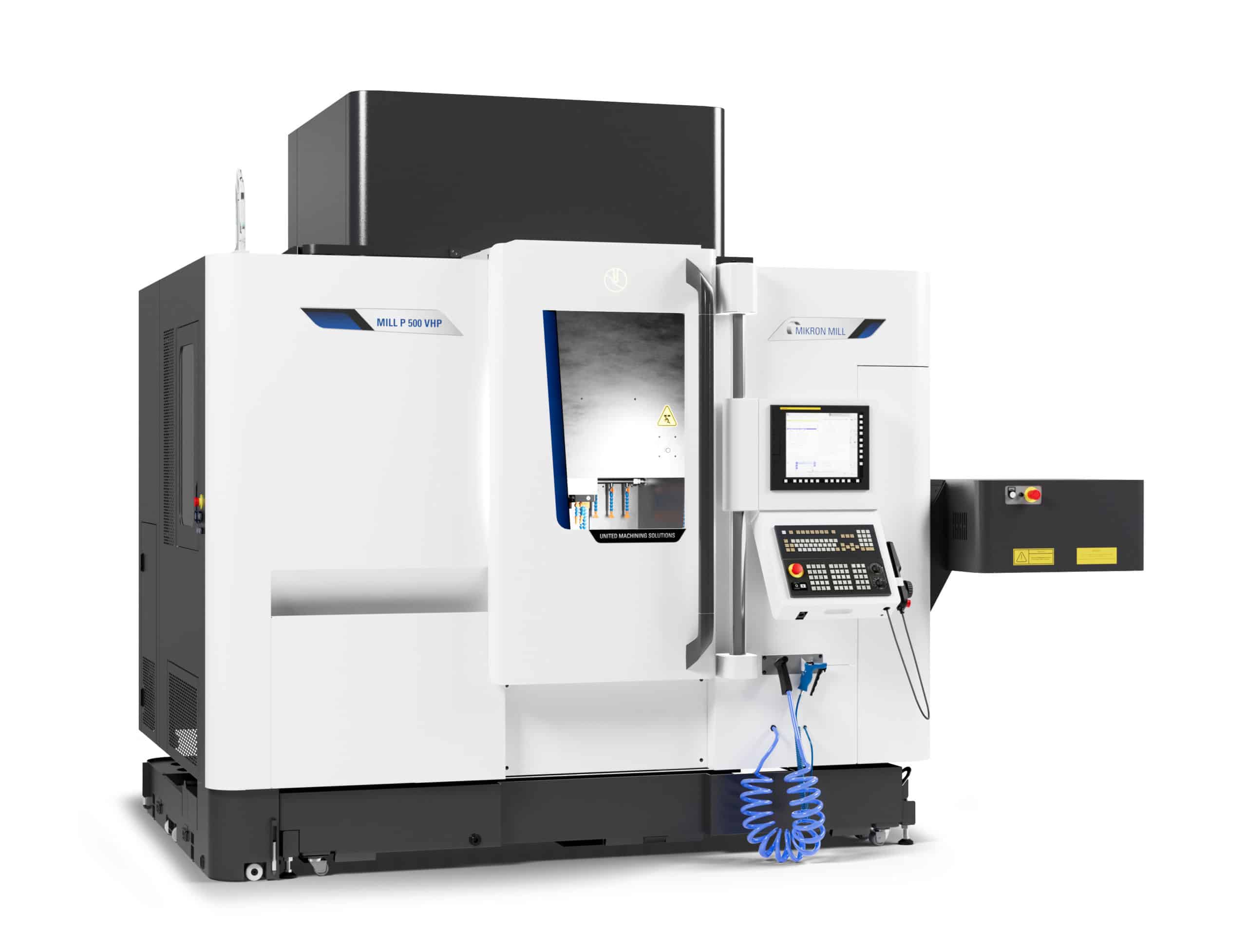
He continues: “We initially looked at a direct replacement in terms of capacity (800 x 500 mm in X and Y) to the old machine – and XYZ had a product that fitted our requirements. We then had discussions with our team here and it was Jay Kiernan, one of our CADCAM programmers and machinists, who observed there was a larger model – the XYZ 1600 LR – that would help reduce the number of set ups on some of the parts we manufacture.”
Adds Simon: “Some of those items are patterns for plant pots. Just as the pandemic hit, we were approached by a local company that specialises in rotational moulding. They wanted to develop a range of plant pots and we were happy to assist in creating the patterns. As some of the plant pots are quite large, we had to use two set ups to manufacture the pattern using location and datum holes for the accurate setting up of the second operation.”
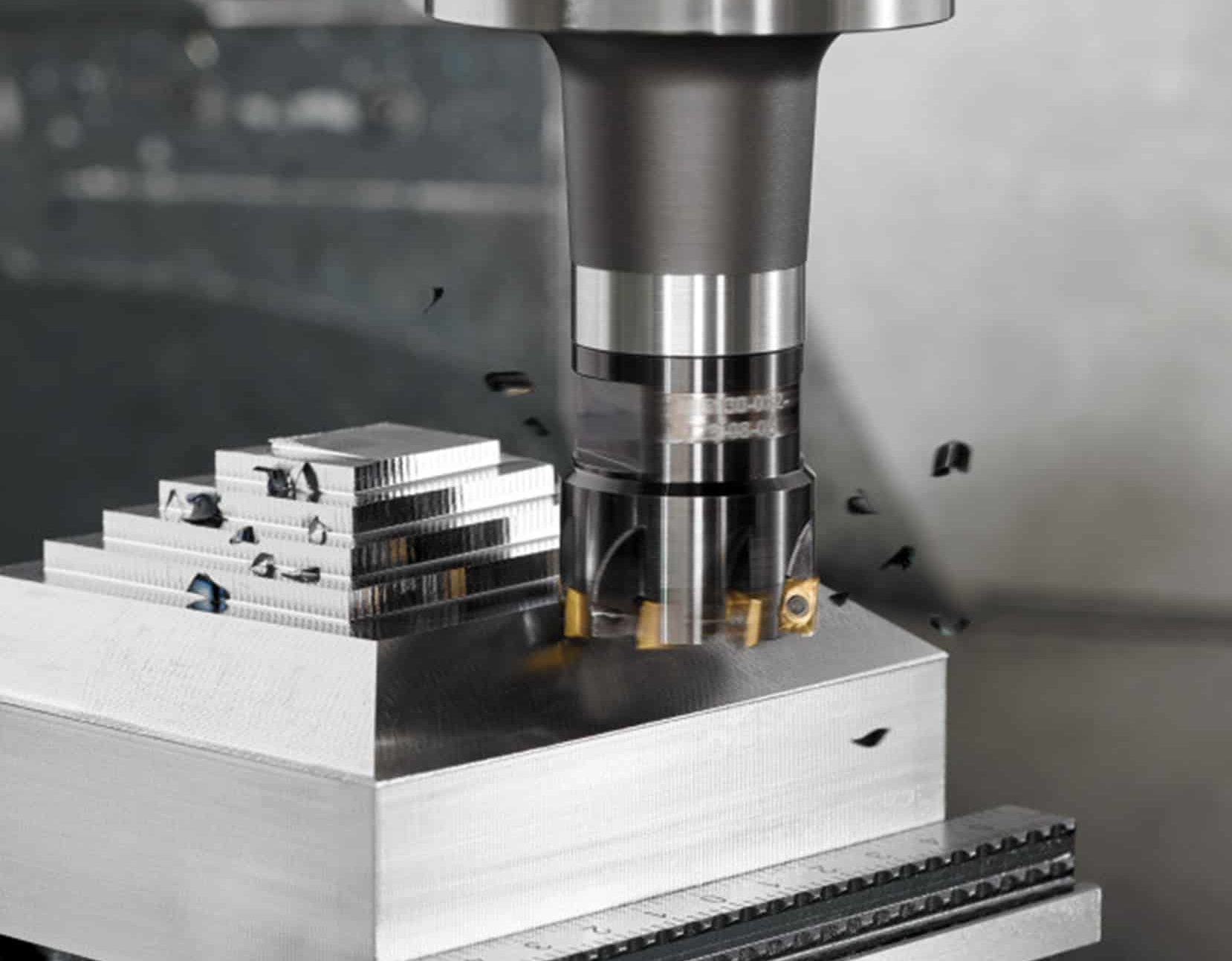
The 1600 LR with its 1600 mm X-axis travel offered far more than the outgoing machine, but the 660 mm Y-axis movement is where Patterns (Derby) saw the biggest advantage of moving to this model. Reducing the need for a second set up and being able to machine the pattern in one go has allowed the company to enjoy significant gains.
Another advantage that the machine offers is the 740 mm maximum distance from spindle nose to table. This clearance with the 630 mm of travel means there’s scope to mount taller jobs on the table. The machine is configured with the standard BT40 10,000rpm spindle as Patterns (Derby) saw no advantage of increasing it to the 12,000 rpm option. The 15 kW spindle power is more than adequate for the materials cut in the pattern-making process.
“Now the machine is installed we’re seeing some advantages over and above those we highlighted at the purchasing stage,” reveals Simon. “A number of times already we’ve been able to have a secondary part set up further along the bed, which was just not possible on the older machines on site due to table size and capacity. We were up and running in next to no time due to Jay’s previous experience on the Siemens 828D control.
“With XYZ coming on site to carry out training, they were able to assist in ensuring our post processor was outputting correctly. This factor was key as 75% of the work going through the machine uses programs generated from our CAM package. To aid flexibility though, the machine does have Shopmill conversational software installed so that we can program some of the less complex parts directly on the machine.”
The machine is located at the back of the unit, so installation proved a challenge, but Steve says the installation team at XYZ was spot on: “Nothing was too much trouble navigating the machine through the factory. In fact, the whole experience of dealing with XYZ on this purchase was second to none. The advice provided – from the initial recommendation and having the fourth-axis wiring loom pre-installed for upcoming projects, through to delivery and installation information – has been great. With the challenges that we see getting skilled staff and the fact that we’re investing to help move the business forward, Simon and I believe we’ve made a great purchase with the XYZ 1600 LR”.
Want to know more about this article?
Ask us below...