Swarf management for smarter, sustainable manufacturing

2 Mins
Published in Comment & Opinion
The last two to three years have seen a real shift in sustainability knowledge and awareness of swarf management equipment within engineering manufacturing, something J&S Engineering particularly noticed at this year’s MACH exhibition in Birmingham.
More environmentally conscious company owners and employees are now coming to J&S Engineering already armed with an understanding of what they need and why. There’s greater awareness of the implications of not putting more sustainable practices and processes in place, alongside a stronger focus on reducing costs and making better use of valuable resources.
This is also reflected in the increasing number of employees holding specific sustainability, environmental and compliance roles within manufacturing companies. Their responsibilities can include optimising resources, supporting profitability, minimising environmental risks, meeting regulatory requirements and improving traceability.
For manufacturers without effective swarf management processes in place, the financial implications are greater than ever.
Pollution risks, potential fines, storage problems, rising recycling costs, poor returns on scrap metal and valuable cutting fluids being thrown away can all have an impact.
Environment Agency factory inspections and pollution checks can identify problems where cutting fluid leaks from swarf skips stored outside, potentially creating an environmental hazard. Scrap metal recyclers may also charge penalties for contaminated materials that require further treatment before they can be recycled.
And, quite simply, everything costs more, from skips and recycler collections to coolants and cutting oils. This is where effective swarf management can make a significant difference.
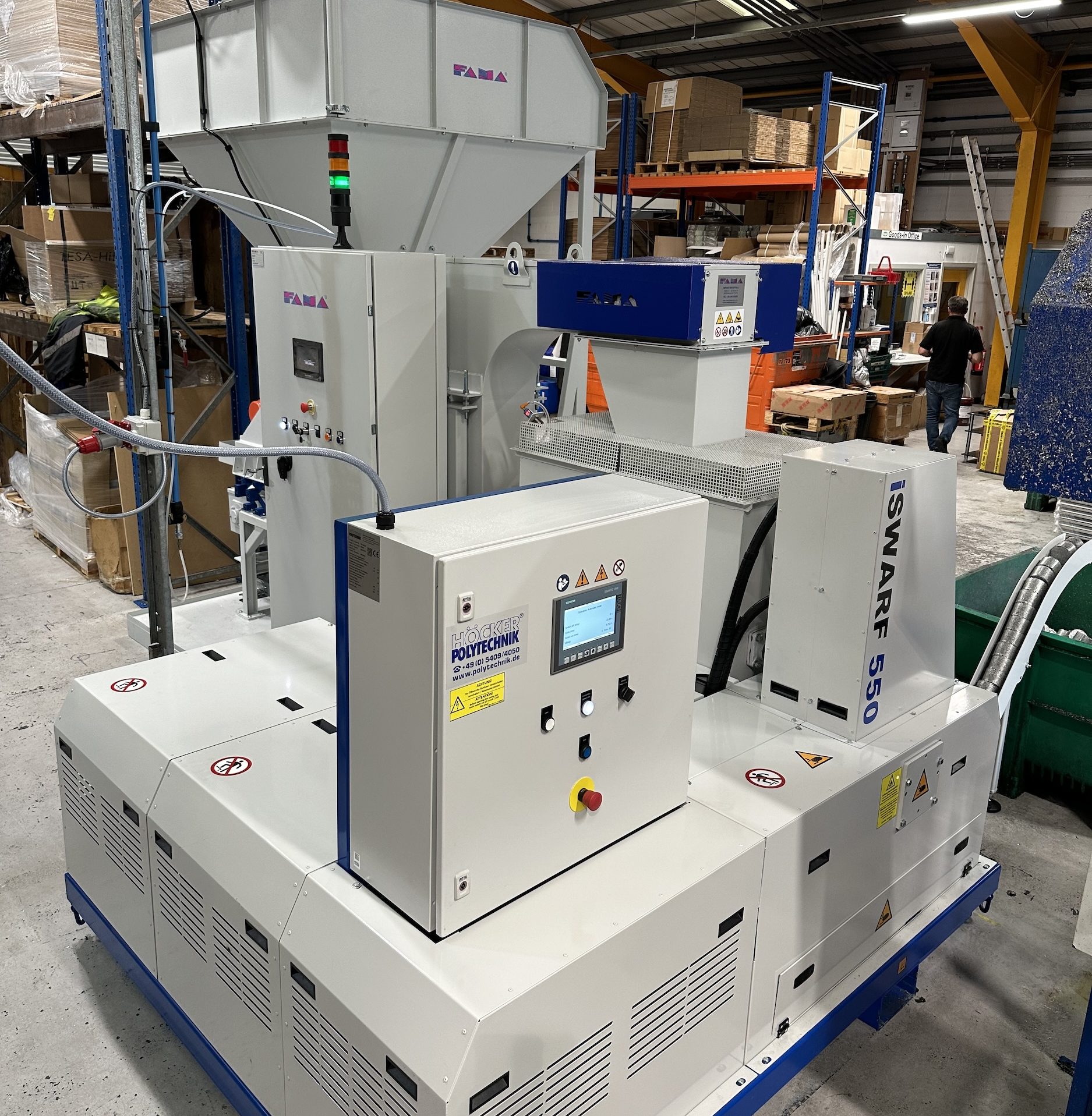
Depending on the application, one briquetting machine can reduce swarf volume by up to 90%, while a swarf spinner can recover up to 98% of coolant for reuse. Briquetted or spun swarf can also have an increased recycling value of up to 50%.
Less swarf volume means fewer recycler pick-ups and less factory space required for storage. Recovering coolant means less valuable fluid is being thrown away, while reducing manual swarf handling can free employees to concentrate on more productive tasks.
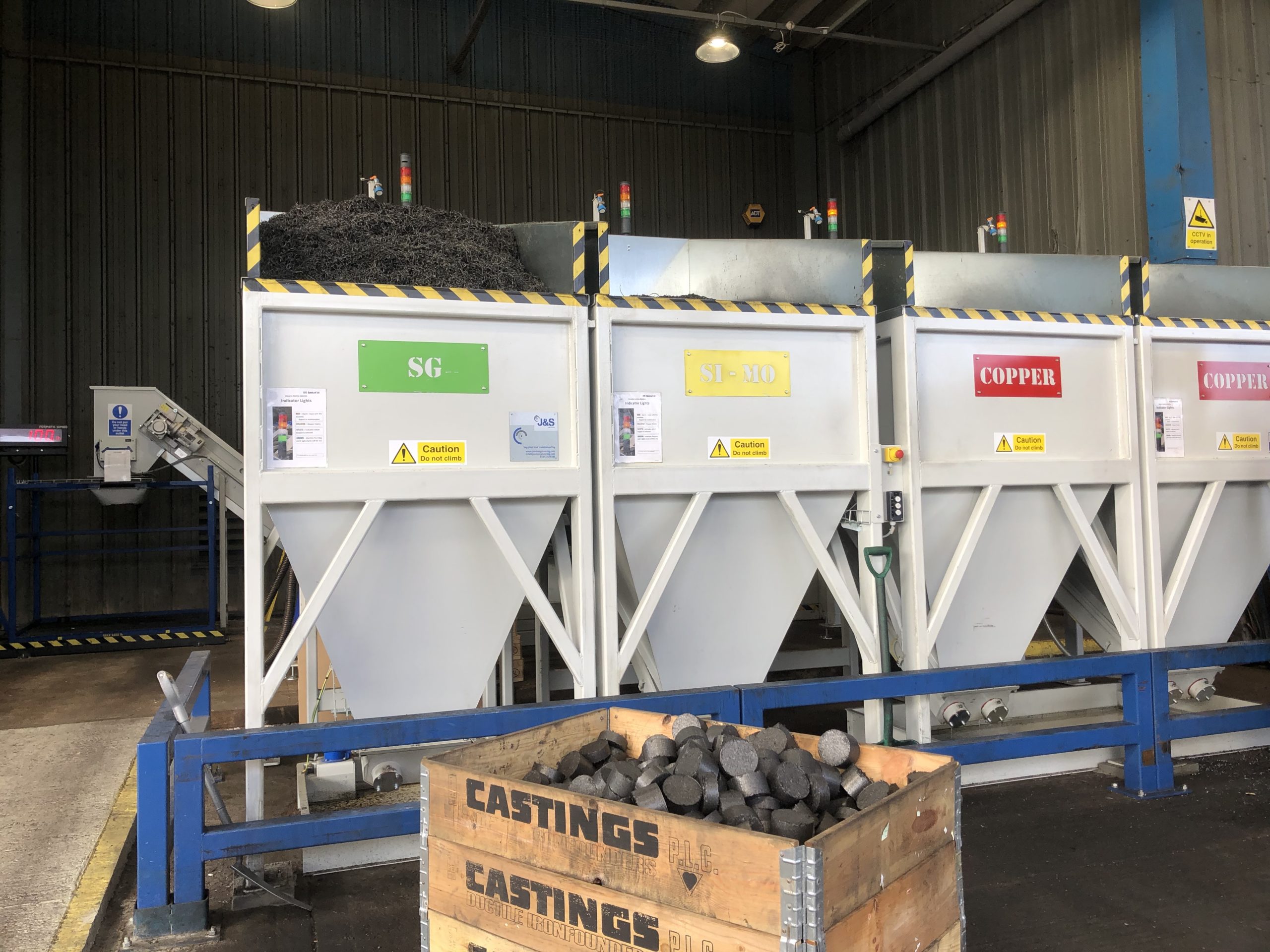
J&S Engineering supplies swarf processing machinery including briquetting machines, crushers and swarf spinners, helping manufacturers reclaim oil and coolant for reuse while increasing the recyclable value of the swarf itself.
Every swarf and coolant management enquiry is assessed on a case-by-case basis. Although off-the-shelf solutions are available, it’s important to understand the material, fluid, production processes, available machine-shop space, existing equipment, current challenges and what the customer ultimately wants to achieve.
Previous projects have ranged from single CNC machine-fed briquetting units and centralised systems for multiple CNC lathes to large-scale cast-iron swarf crushing and briquetting installations.
J&S Engineering has also delivered custom coolant reclamation and factory feed redistribution systems, fully automatic swarf crushing and centrifuge systems, and manual swarf spinning units with lifting gantries.
Whether introducing a new process or upgrading an existing swarf management system, the opportunity to reduce costs, improve logistics, recover valuable resources and make production more sustainable has never been more relevant to manufacturers.
Want to know more about this article?
Ask us below...