Get closer to the spark

2 Mins
Published in Comment & Opinion
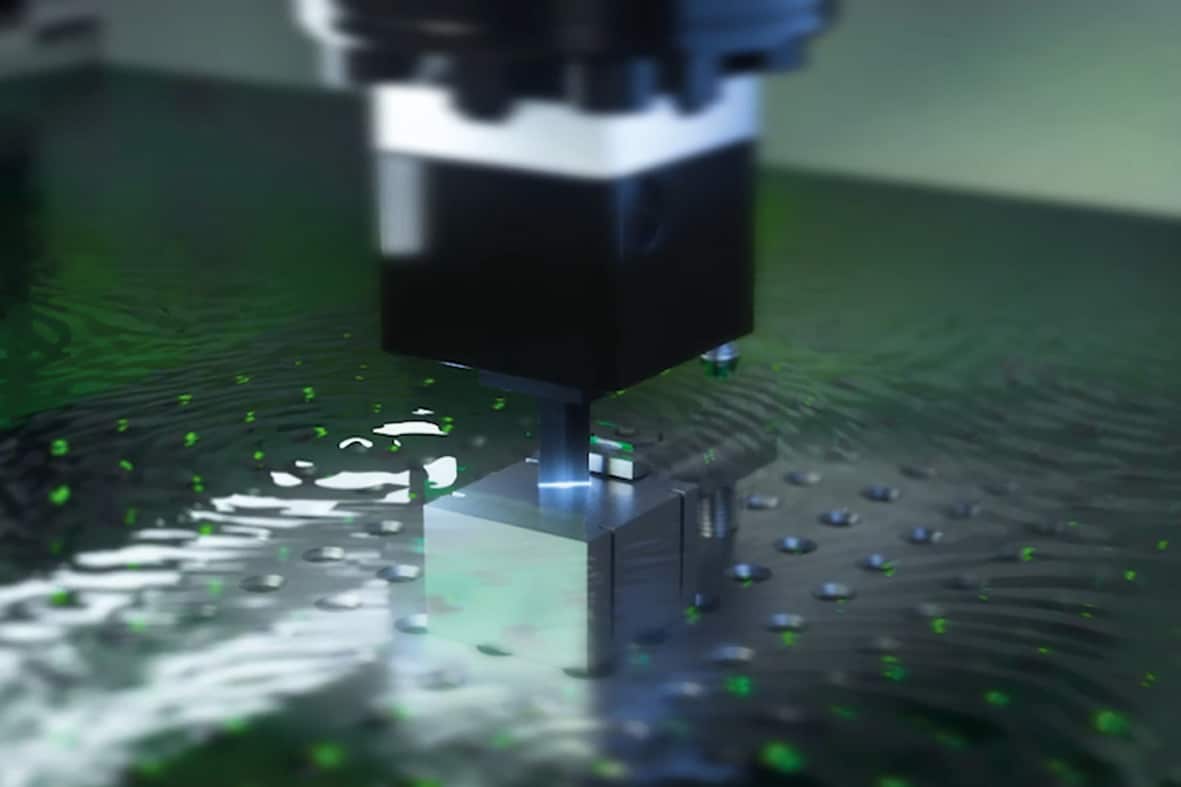
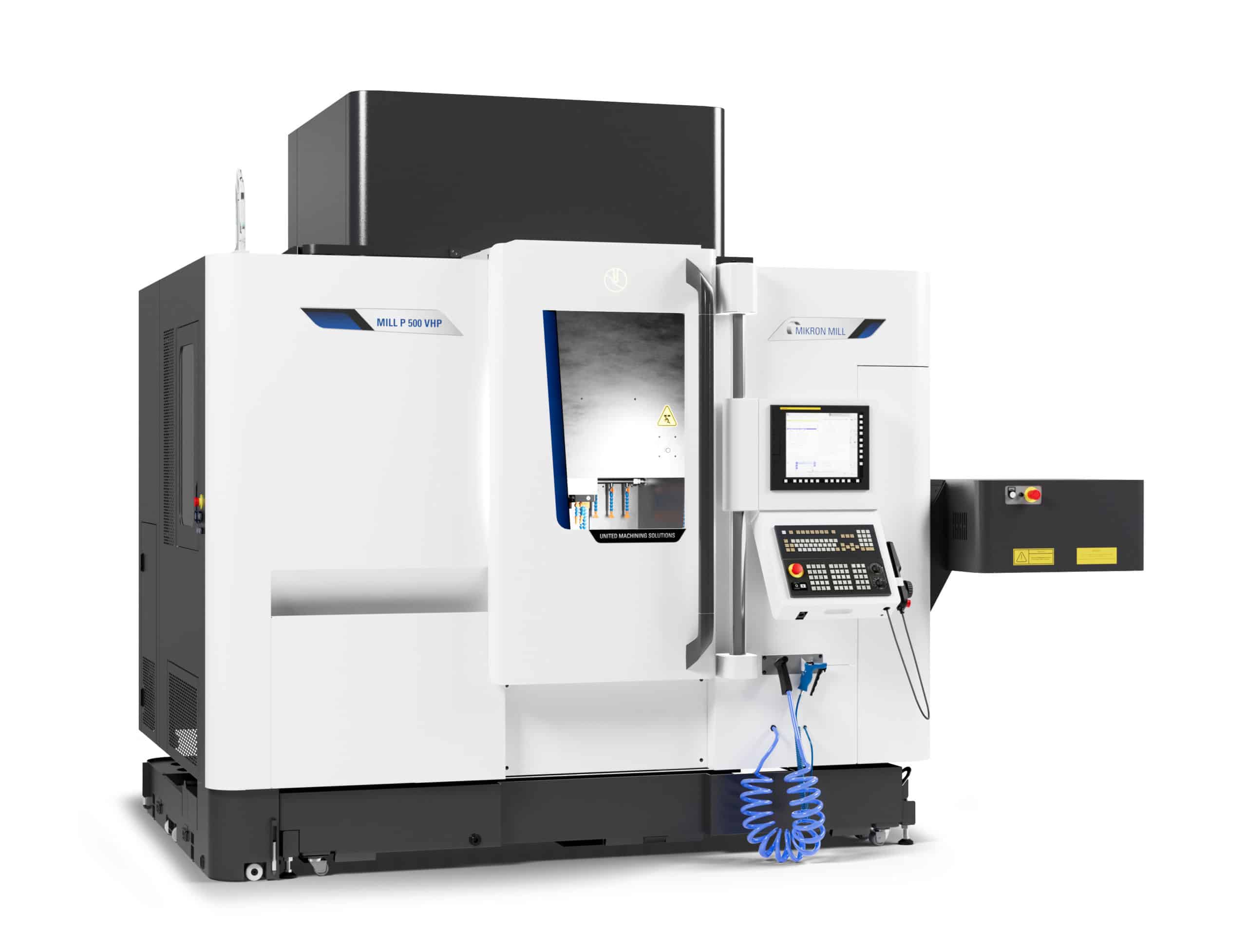
Modern micro-electronics are redefining the capabilities and performance of the latest die-sink EDM machines. Equipped with advanced, thermally-efficient generators able to control spark energy and intensity, such machines deliver faster processing speeds and unrivalled accuracies and surface finishes.
Since the dawn of the semiconductor age in the 1970s, electronics have transformed nearly every facet of life. Today’s smartphones pack millions more transistors than the computers that guided last century’s space missions. This same accelerated semiconductor capability is driving transformation in EDM.
From transistors to sparks
Early EDM generators used analogue systems that occasionally produced inconsistent sparks and required the presence of skilled operators to ensure precision. As semiconductors advanced, EDM control systems evolved into intelligent, feedback-driven pulse management systems.
An advancement perhaps less talked about is the physical location of the generator itself, as set out by Martin Spencer, United Machining UK’s Managing Director: “By keeping generator modules cool and close, today’s die-sinking machines achieve a higher level of thermal and electrical stability.”
Location, location, location
Traditional EDM machines often house their generators in separate cabinets, connected to the spark gap via several metres of heavy cable. However, as generator components became smaller, more thermally stable and increasingly efficient, EDM machine builders began to ask: ‘Can we improve the process if we move the generator closer to the spark?’ The answer was a resounding ‘yes’.
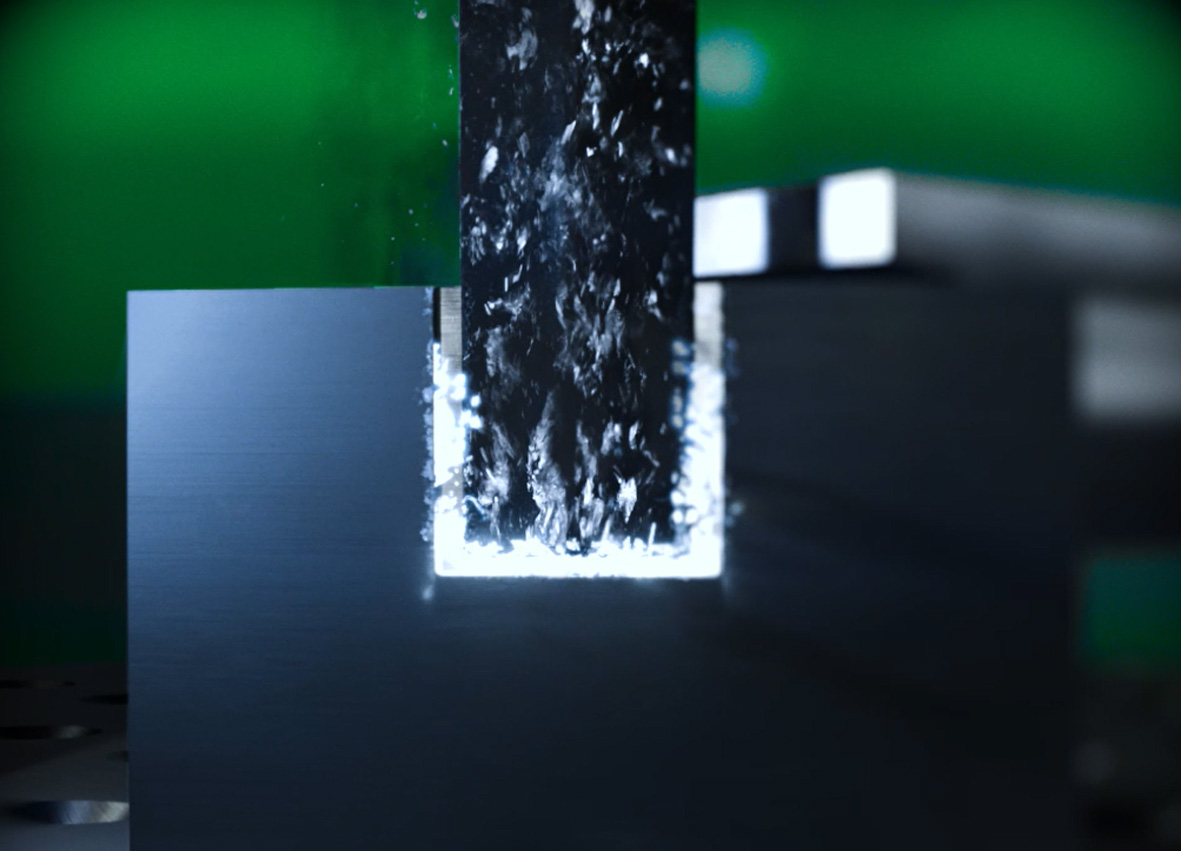
By locating a generator closer to the spark, the electrical path between the power source and the gap shortens. Shorter cables mean lower inductance and capacitance, enabling faster and more precise control of voltage changes. The needle-like pulses deliver faster erosion rates and less heat transference into the workpiece, as well as smoother surface finishes.
Put into practice
Using a patented die-sinking EDM platform featuring a compact, high-speed generator mounted directly on the Z axis or behind the back wall of the work pan (and only centimetres from the electrode), a mould manufacturer can experience reductions in cycle time of up to 20%. Most important to the end user, close inspection will show reduced workpiece HAZ (heat-affected zone), reducing the risk of micro-fractures and ensuring component stability for finishing applications.
Looking ahead, the line between hardware and control software will continue to blur, with AI, digital twins, predictive algorithms and adaptive spark control pushing EDM into new realms of precision and productivity. In EDM, everything starts with the spark. The closer to the spark, physically and electronically, the better the results.
Want to know more about this article?
Ask us below...