DMG Mori at Formnext 2026: Additive manufacturing reaches industrial maturity

3 Mins
Published in Events
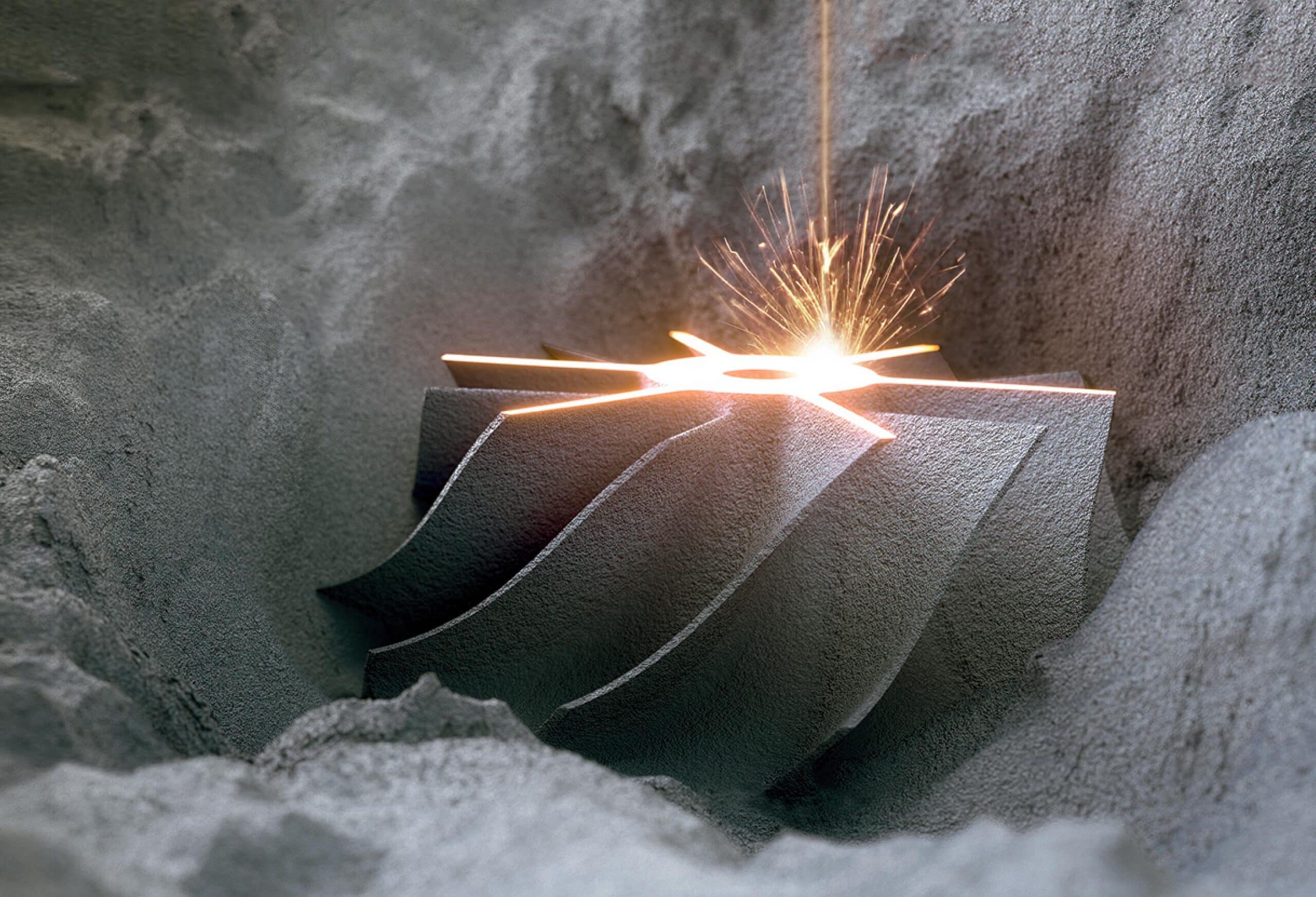
With a third-generation Lasertec 30 SLM powder-bed AM (additive manufacturing) production machine and a second-generation Lasertec 65 DED hybrid laser deposition welding centre for the coating and repair of components, DMG Mori brought together two major technologies in metal 3D printing at the recent Formnext 2026 exhibition in Frankfurt.
Another central theme on the stand was DMG Mori’s support for the rapid adoption of these technologies and smooth production ramp-up via ‘Additive Intelligence’, a technology ecosystem where experts are able to pool their extensive knowledge and practical expertise.
Lasertec 30 SLM: powder-bed fusion for series production
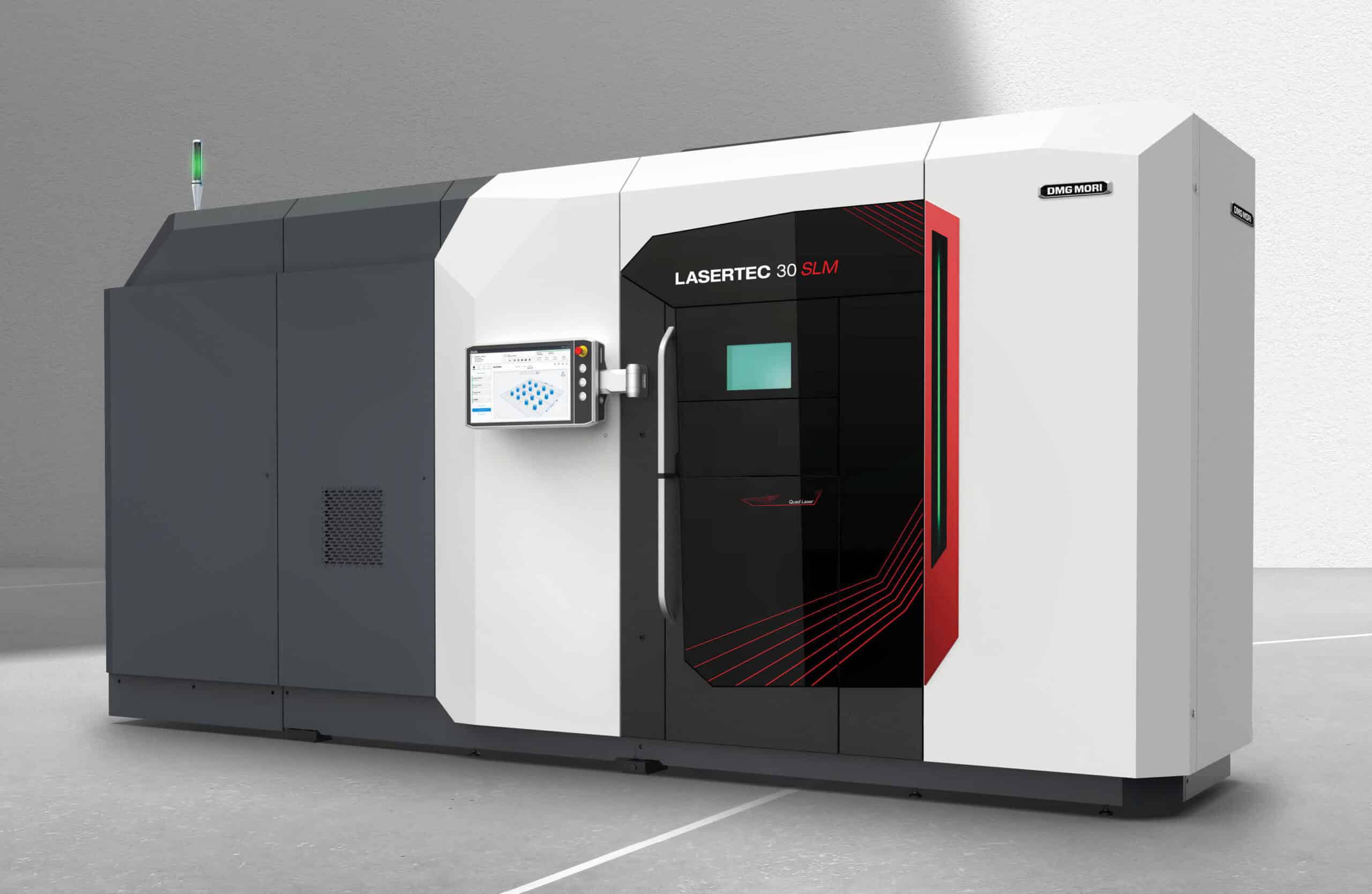
The latest Lasertec 30 SLM machine from DMG Mori has been designed to meet the specific demands of series production. For industrial users, it’s not the quality of a single reference component that’s important, but the ability to achieve consistent, precise results across numerous build jobs, machines and production periods.
Extensive validation testing and feedback from industrial applications confirm that the third-generation Lasertec 30 SLM delivers dimensional accuracy and repeatability when manufacturing components. Minimal variation in critical features reduces scrap and rework, increases process reliability and lays the foundation for cost-effective series production.
The thermo-symmetrical machine harnesses the design principles of DMG Mori’s milling and turning machines. Targeted control of thermal influences ensures reproducible component properties and process stability. According to DMG Mori, it makes additive manufacturing a robust production solution for demanding industries such as aerospace and medical.
At the same time, the Lasertec 30 SLM boosts productivity. Up to four overlapping lasers enable productive manufacturing, without compromising quality, reports the company. The interchangeable build chamber reduces downtime for set up, as users can prepare subsequent jobs in parallel with ongoing production.
Closed-loop powder handling reduces inert gas consumption and increases system availability. Combined with the expanded build volume of 325 × 325 × 400 mm, DMG Mori says this creates a manufacturing solution that combines productivity, cost-effectiveness and part quality in one machine.
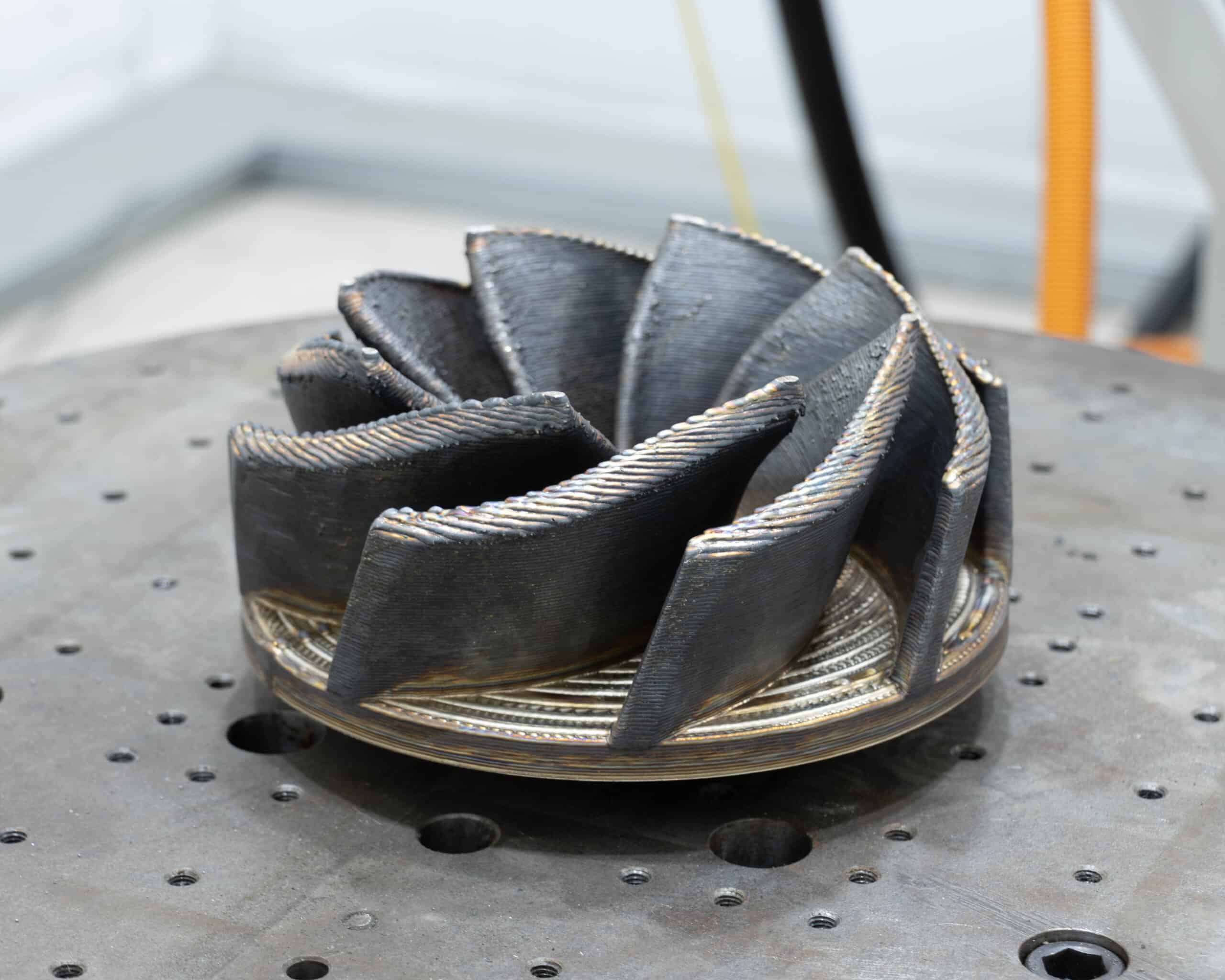
Lasertec 65 DED hybrid: six processes in one working area
Combining laser metal deposition and five-axis simultaneous milling in a single set up, the Lasertec 65 DED hybrid is a versatile machining solution that DMG Mori developed in line with its ‘Machining Transformation’ (MX) concept. It aims to address industry challenges such as labour shortages, rising energy costs and the demand for higher precision by combining advanced machine technology with digital and sustainable practices.
The second-generation hybrid DED machine employs a six-in-one manufacturing process. In addition to additive manufacturing using a powder nozzle, it includes subtractive processes such as milling, turning and grinding. Laser preheating and DMG Mori’s scan3D laser line scanning for component measurement complement the machining processes. Together, they create a holistic process that enables, for example, the cost-effective repair of wear parts in a single set up.
Additive Intelligence: From component idea to series production
Through its Additive Intelligence consulting unit, DMG Mori brings together expertise in the industrial application of AM. It’s grounded in the company’s own AM production experience based on its ‘Additive Manufacturing Reference Factory’, which 3D prints more than 3,000 machine components per year.
Armed with this knowledge, experts guide users through the entire process. They assist in evaluating an initial component design and selecting suitable technologies, before implementing them in series production. It involves the integration of machine developments, hybrid process chains and digital solutions. If needed, DMG Mori also handles the production ramp-up phase, ensuring that customers can operate at full productivity right from the start after commissioning the additive process chain.
Want to know more about this article?
Ask us below...