Cutting costs, growing capability

2 Mins
Published in Sheet metal
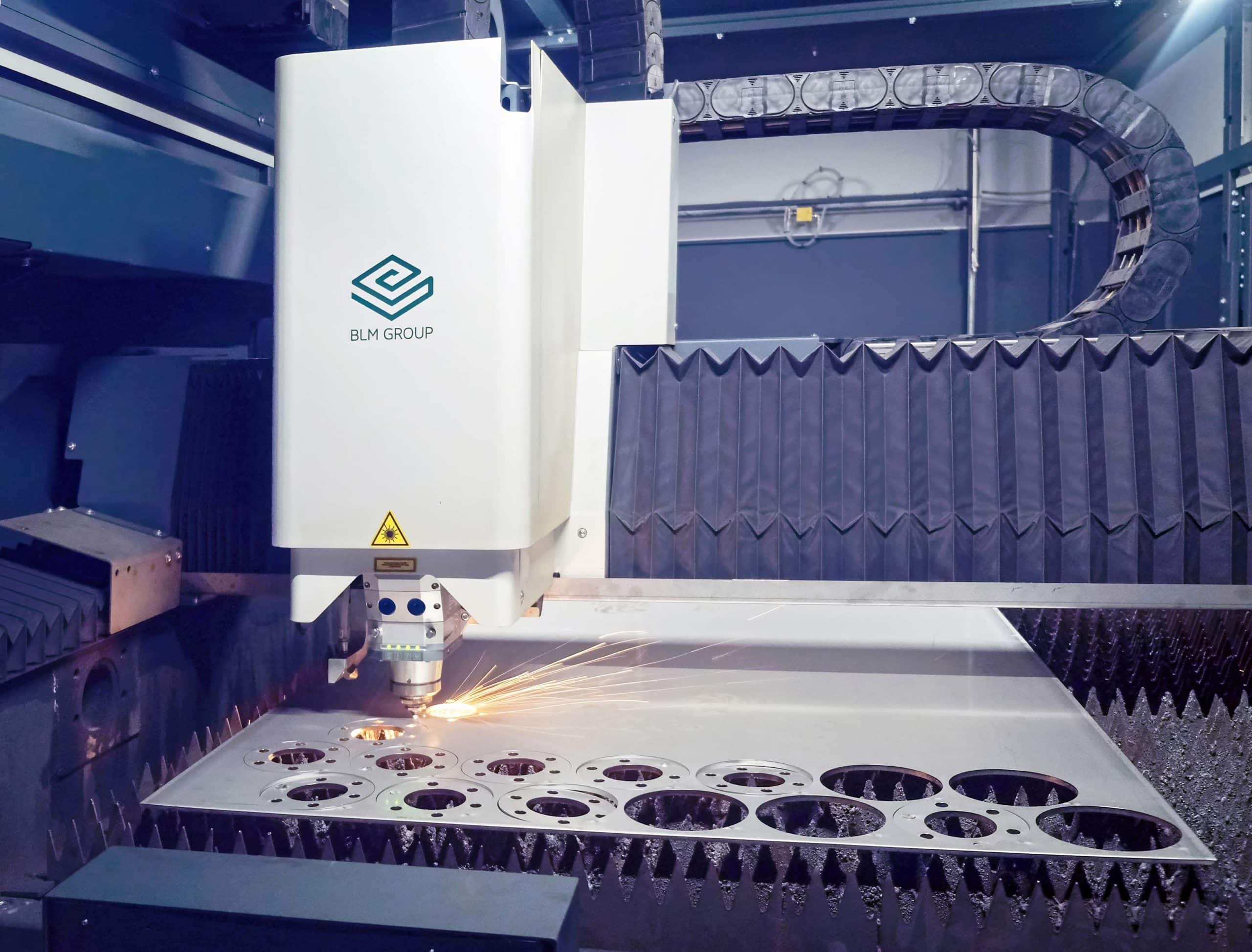
Helping to position Cricklade-based Bell Steel Fabrications for its next phase of growth is an 8 kW fibre laser profiling centre supplied by BLM Group UK. The new machine has replaced a flat-bed, CO2 laser cutting machine of another make installed a decade ago.
Established in 1977, Bell Steel Fabrications manufactures a variety of products for customers at home and abroad. A distinctive aspect of the business is the production of bespoke stainless steel silencer and exhaust systems for classic cars, which accounts for 40% of turnover.
Proven performer
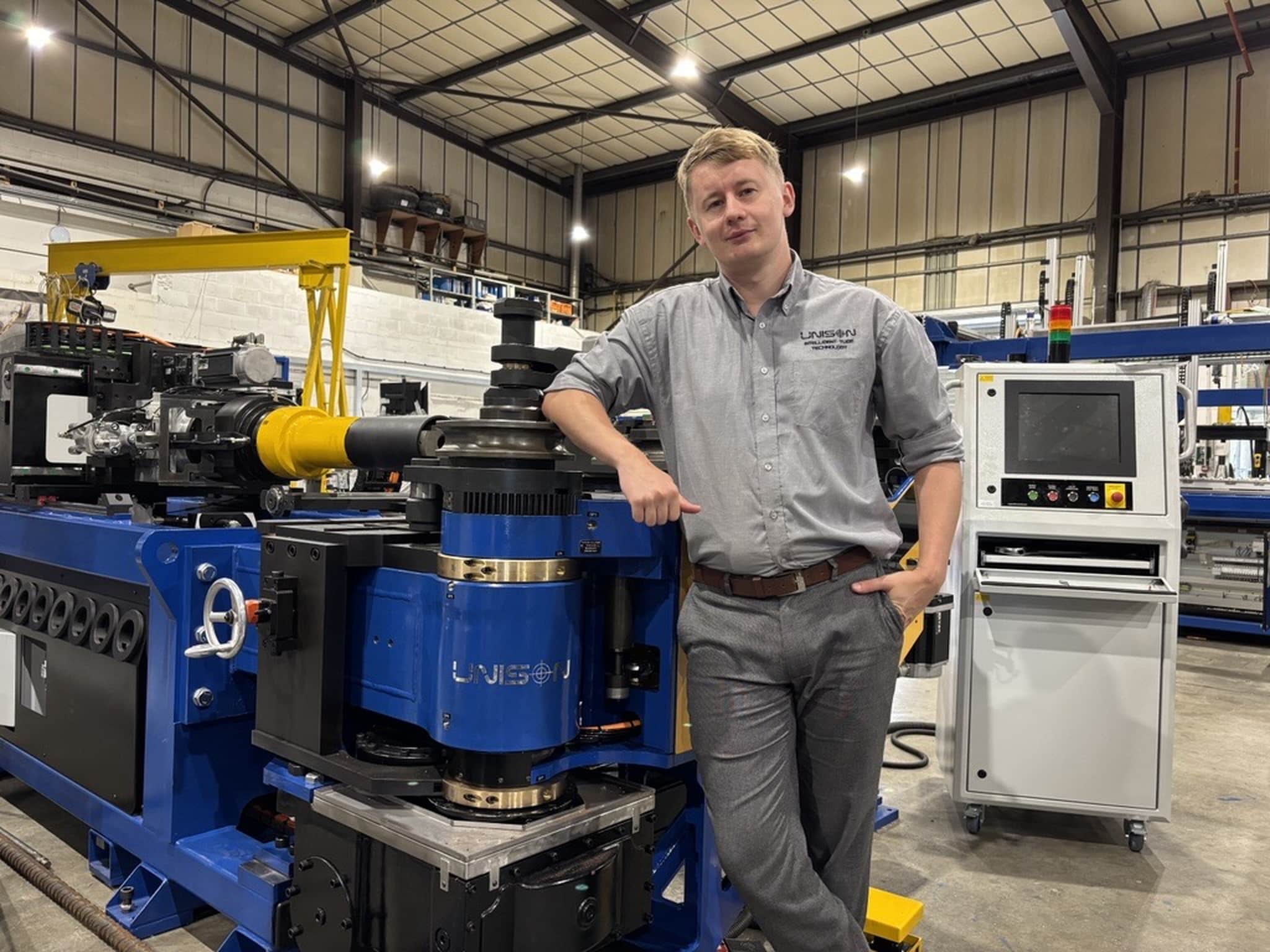
Operating a BLM Elect 80 electric tube bender with great success since 2010 – and enjoying excellent service and support from BLM Group UK in that time – Managing Director Matthew Bell was inclined to appoint the same supplier when looking to replace the company’s CO2 flat-bed laser profiler.
“We scrutinised three potential machines, but felt the BLM offered the best price and quality,” he points out. “We opted for the LS7 3015 fibre laser model, which was installed in March 2026.”
Fibre lasers have largely taken over from CO2 for cutting sheet metal as they are less costly to run and maintain. They are also more compact, with fewer moving parts and no mirrors requiring regular alignment. As a further point of note, they waste far less energy during beam delivery and convert more of their output into usable laser power. Moreover, gas usage is less. Matthew estimates that his will save £20,000 a year in electricity and gas costs.
All shapes and sizes
Bell Steel Fabrications today produces a vast range of components on the machine. These include everything from brackets, flanges and silencer baffles for classic car exhausts – through other vintage vehicle fittings like fuel tank, radiator, clutch, gearbox and chassis parts – to structural steelwork, architectural metalwork, mounting platforms for industrial machinery, bicycle racks, truck ladders and even fabrications that form part of beer dispensing units.
Let fly
Notably, Matthew points to a key feature of the BLM LS7 that allows rapid and economical laser cutting of multiple repetitive features. Called ‘Fly Cut’, it avoids the traditional stop-start laser cutting of each individual shape before moving to the next. In the case of a square or rectangular hole, a conventional production route involves acceleration of the head to cut one side and then three further direction changes to produce each individual hole.
In contrast, Fly Cut synchronises the movement of the cutting head with rapid switching of the laser beam. The control identifies all horizontal lines in a grid of square or rectangular holes and cuts them in a single, continuous sweep across the sheet. The head moves at a high and constant speed while the laser beam pulses on and off where the holes need to be. After completing the horizontal passes, the machine repeats the process in the three other orthogonal directions. The result? Time savings of up to 70%.
Another aspect of the LS7 that impresses Matthew is its adaptability. If in the future he chooses to use compressed air as the assist gas on some jobs to save on nitrogen or oxygen costs, he can benefit from the availability of a third line and a dedicated turnkey air centre that includes a compressor, filter banks and a reservoir.
Want to know more about this article?
Ask us below...