Women With Metal: Four years in and the energy is building

3 Mins
Published in Events
There are plenty of reasons for UK manufacturers to feel cautious right now. Tariffs, quotas, energy costs, carbon legislation and continued economic uncertainty are giving businesses plenty to think about. Yet caution was not the overriding feeling at the fourth annual Women With Metal Conference in Birmingham in September. It was positivity.
There was a genuine buzz as people from across metals, manufacturing and the wider supply chain came together to tackle some of the biggest issues affecting industry, while also celebrating its strengths and the people working hard to secure its future.
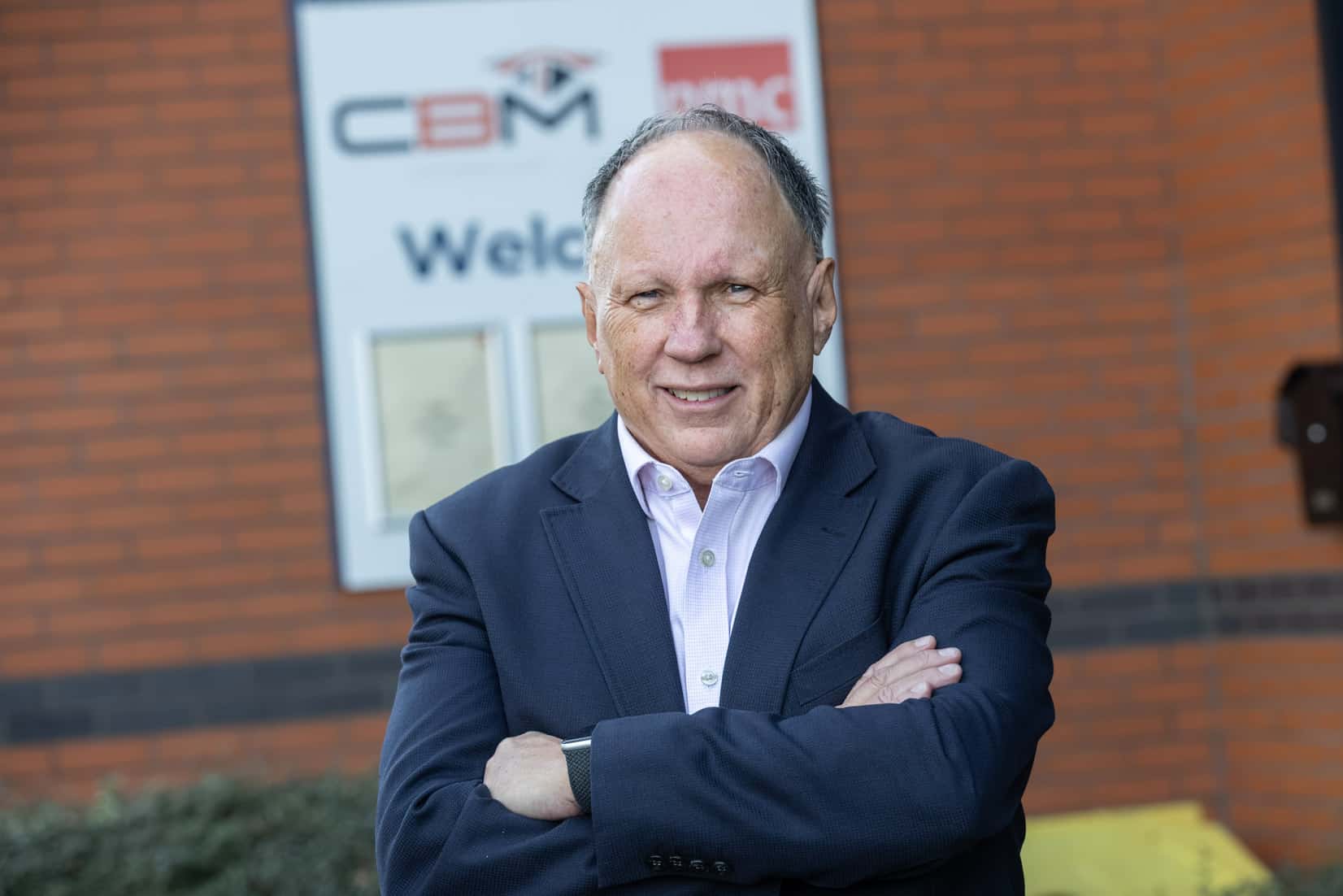
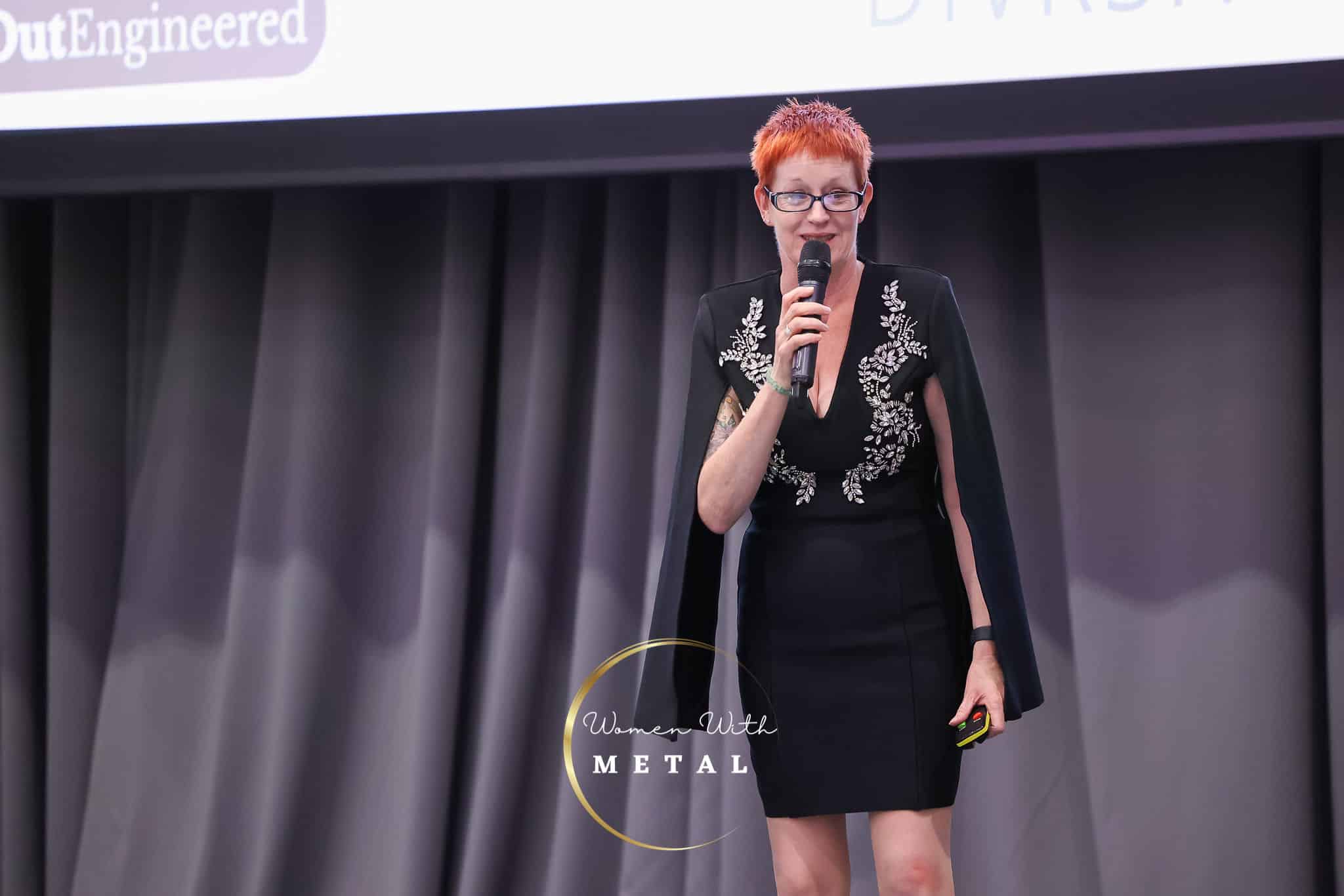
A huge amount of credit goes to Kirsty Davies-Chinnock (pictured above), founder of Women With Metal and Managing Director of Professional Polishing Services, who has developed the conference over four years into an important meeting place for the sector.
What Kirsty and the Women With Metal team have created goes beyond a conventional industry conference. There was laughter and networking, but also space for honest conversations and subjects that do not always make it on to a manufacturing agenda.
Poggy Murray Whitham, DEI expert, engineer and keynote speaker, delivered a thought-provoking session on intersectionality, reminding delegates that nobody arrives at work as simply one thing. Gender, race, disability, sexuality, age and background can combine to create very different workplace experiences.
One analogy was particularly appropriate. Manufacturers spend considerable time monitoring machinery, collecting data and carrying out maintenance before something goes wrong. Why not take the same approach to people and workplace culture?
Looking after people became a recurring theme.
Rachel Sewell, founder of The SoWell Formula, delivered the straightforward message that “sleep is not a luxury”, challenging a culture where exhaustion can become a badge of honour.
Her distinction between capability and capacity was powerful. An experienced employee who’s struggling hasn’t suddenly lost their capability. Their capacity may simply be depleted by work, caring responsibilities, finances or the many other pressures that exist outside the factory gates.
The wider programme was equally willing to tackle difficult subjects, including money matters, financial wellbeing and grief in the workplace, reinforcing that people do not leave the realities of their lives at the door when they arrive at work.
Leadership was also firmly on the agenda.
Steph Snade, business psychologist and leadership expert, and Jeremy Stockdale, founder and CEO of Ylead, brought humour to a serious discussion around conscious leadership and self-awareness.
From interruptions and mansplaining to women seeing their ideas repeated by somebody else who subsequently receives the credit, their examples demonstrated how seemingly small behaviours can influence workplace culture.
Their five behaviours of conscious leadership, curiosity, compassion, courage, collaboration and commitment, offered a useful framework for an industry where technically excellent people can find themselves becoming managers without formal leadership training.
The positive message around UK industry was reinforced by Andrea Wilson (pictured below), founder and Managing Director of Support UK Manufacturing.
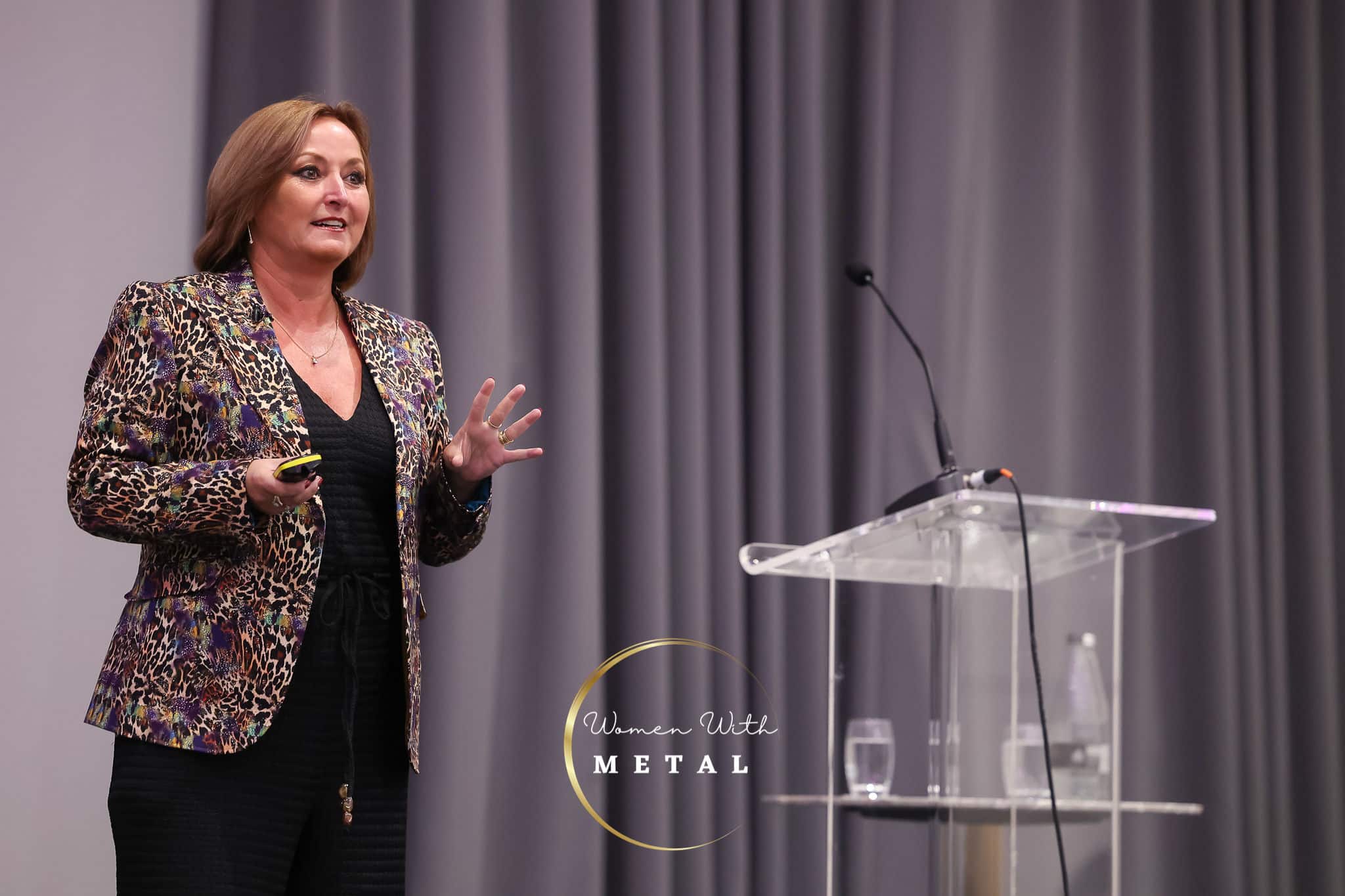
Her focus was on a familiar challenge for SMEs. Support exists, but finding it can be difficult. Funding, skills initiatives, apprenticeships, government programmes and industry organisations can feel fragmented. Andrea is looking to address that through ManufacturingUK.org, a free digital platform built by industry for industry and launching in October, designed to make it easier for manufacturers to find the resources and support they need.
The economic realities facing the sector were never far away either. A wide-ranging panel examined tariffs, steel quotas, aluminium, automotive and the forthcoming Carbon Border Adjustment Mechanism. One observation neatly captured the uncertainty businesses are navigating: “There are no fixed costs anymore. Everything’s a variable cost.”
Despite that uncertainty, the discussion was far from downbeat. Changing global trade patterns are creating opportunities as well as challenges, while automotive was characterised not as an industry in terminal decline, but one undergoing a major technological transition.
There was considerable pride in the UK’s capabilities across advanced manufacturing, automotive, motorsport, aerospace, defence and high-value engineering. And that optimism ultimately characterised the fourth Women With Metal Conference.
From carbon, tariffs and automotive to inclusion, leadership, sleep, money and grief, the programme demonstrated that successful manufacturing businesses depend on far more than machines and order books – they depend on people.
Four conferences in, Kirsty Davies-Chinnock has built a community prepared to celebrate those people, tackle difficult subjects and challenge the sector to keep improving.
Judging by the energy in the room in Birmingham, Women With Metal has plenty more to come.
Want to know more about this article?
Ask us below...