Transforming productivity in precision industries

5 Mins
Published in Tooling
In today’s high-precision manufacturing landscape, the aerospace, medical, electronics and small part processing industries face pressure to maintain tolerances while reducing costs and addressing skilled labour shortages. Sliding-head machining technology, especially Swiss-type machines, is essential for producing intricate, small-diameter components. TaeguTec says its WINSWISS line and expanded DIA-MILL offerings reduce downtime, lower skill requirements and enhance manufacturing flexibility.
Here, Ok Soo-Jin (Joy Ok), Product Manager for Turning at TaeguTec’s world headquarters in Daegu, Korea, explores how the company’s tooling systems transform precision manufacturing operations across demanding industries.
The evolving demands of precision industries
The aerospace, medical and other critical manufacturing sectors share common challenges with parts that require increasingly complex designs, tighter tolerances, exotic material compositions and the pressure to maintain quality despite workforce challenges. These industries cannot afford variation or inconsistency in their components, and yet they must simultaneously improve productivity and reduce costs.
“In the micro-machining industry, accuracy is critical, where the cutting edge should have no movement at all in the toolholder,” says Joy Ok.
This fundamental requirement drives TaeguTec’s approach to tool design across its product lines, emphasising stability, repeatability and ease of use.
The WINSWISS advantage: Modular tooling revolution
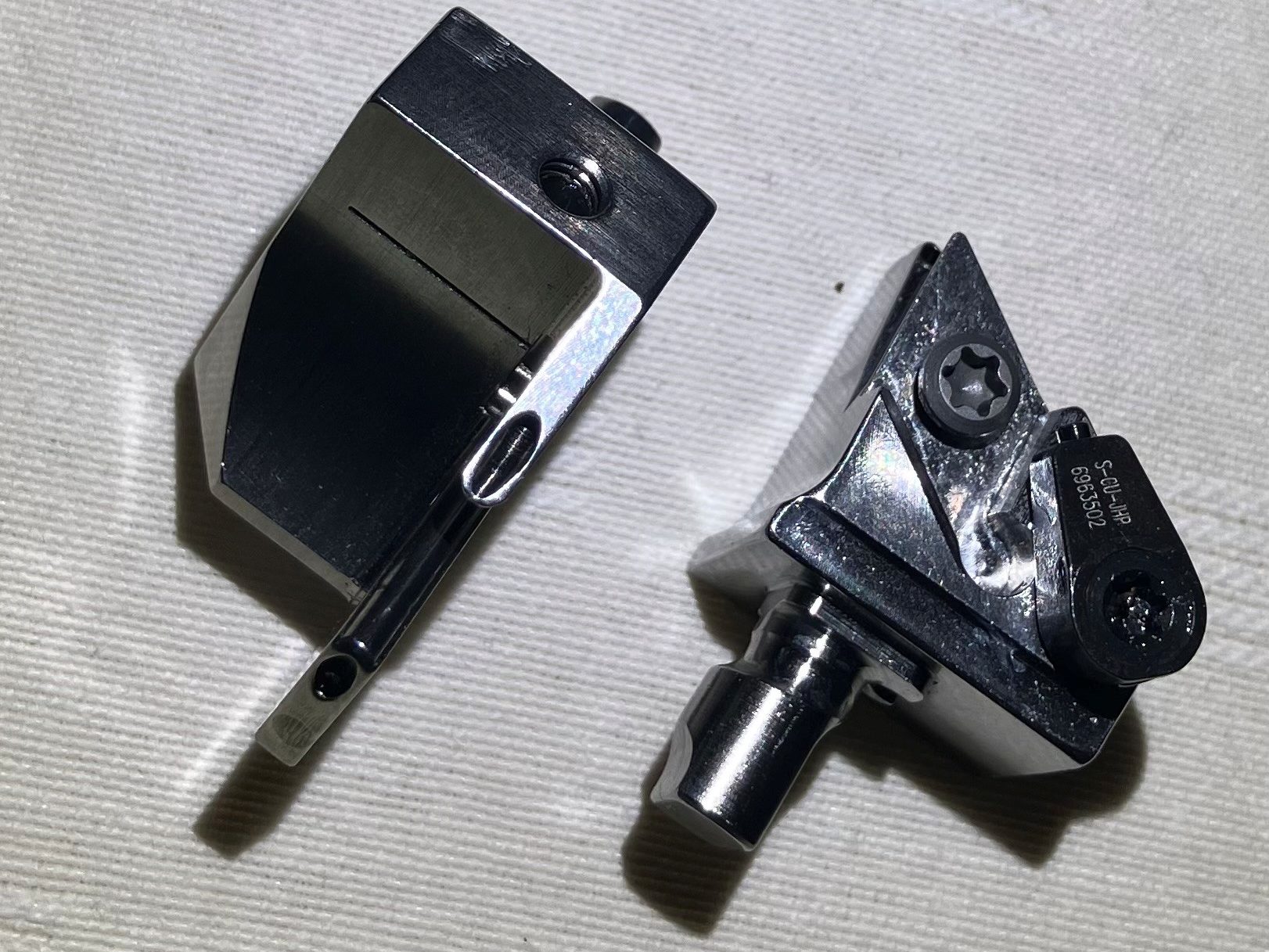
TaeguTec’s WINSWISS line represents an advancement in sliding-head tooling technology. Unlike conventional monoblock tool holders that dominated the industry for decades, WINSWISS modular systems offer flexibility and precision through several key innovations.
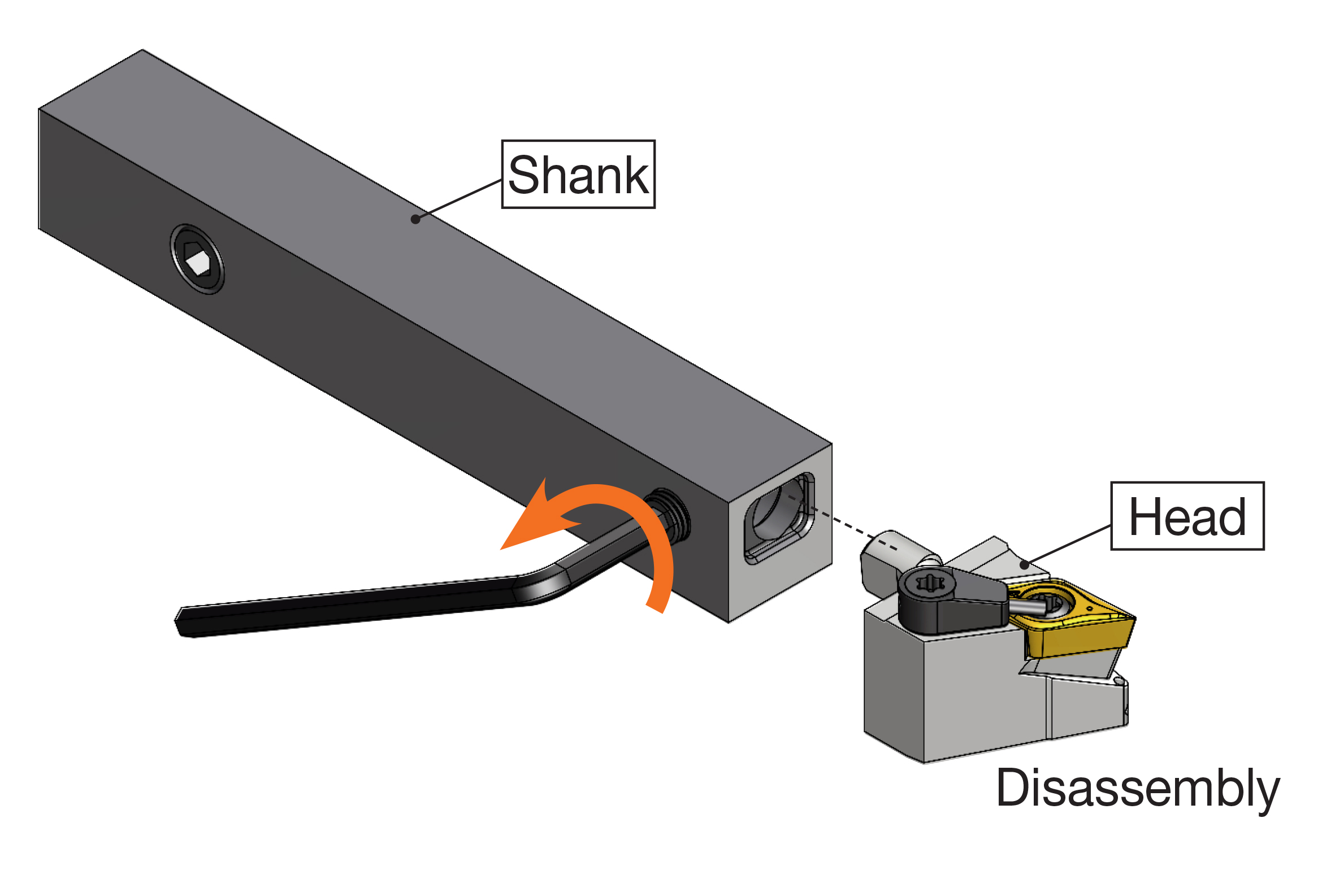
“Perhaps the most significant innovation in TaeguTec’s WINSWISS line is the unique clamping design with a square fastening structure,” states Joy Ok. “Traditional modular tooling systems often use round clamps, which can experience rotational movement during operation, a critical flaw in precision applications.
“If you check competitor geometry versus our geometry, we apply a unique type of clamping system. The round-type insert is susceptible to rotating movement, but our design type provides clamping rigidity compared with general round shapes. The head has a square to guarantee alignment in conjunction with the round spigot, which has a whistle notch to pull the head into the square shank, delivering stability and clamping strength.”
This distinctive clamping geometry creates an interlocking mechanism that reduces movement during operation. The benefits are immediately apparent in performance testing, where TaeguTec says its customers consistently report superior accuracy compared with competitive modular systems. For aerospace and medical applications, where tolerances can be measured in microns, this stability can mean the difference between acceptable parts and costly scrap.
Quick-change capability
Through its intuitive design, the WINSWISS line reduces set up and changeover times. Unlike conventional systems that require three or four steps to change inserts, TaeguTec’s system needs only two simple movements to release and secure components.
“Generally, in the Swiss-type machining arena, only one operator manages multiple machines,” explains Joy Ok. “If they spend time on set up, changing the workpiece or filling the barfeed, they want to minimise that time. Thus, the first thing customers request is a convenient, quick-change tool.”
This convenience factor becomes increasingly important as manufacturers face shortages in skilled labour. The ability to change inserts quickly with minimal training enables companies to maintain high productivity levels, even with less experienced staff. This quick-change capability can significantly impact overall productivity for medical device manufacturers producing complex components in smaller batches.
Optimised coolant delivery
The WINSWISS line also incorporates advanced coolant channel configurations that deliver high-pressure coolant directly to the cutting edge. Unlike competitor designs, where the coolant outlet points may be distant from the cutting zone, TaeguTec’s approach positions the coolant distribution point very close to the cutting edge.
“The maximum pressure is 100 bar with our system. We can supply toolholders with or without a coolant channel. However, our coolant channel with its proximity to the tool improves tool life by approximately 20%.”
This strategic coolant delivery is especially valuable in aerospace applications, where challenging-to-machine materials like titanium alloys and high-temperature superalloys produce significant heat during cutting operations. Improved chip evacuation and cooling enhance tool life while preserving dimensional stability throughout longer production runs.
Expanding applications with DIA-MILL for composite materials
While the WINSWISS line addresses metal cutting needs, TaeguTec has simultaneously expanded its offerings for the growing composite materials sector with new geometries in its DIA-MILL line.
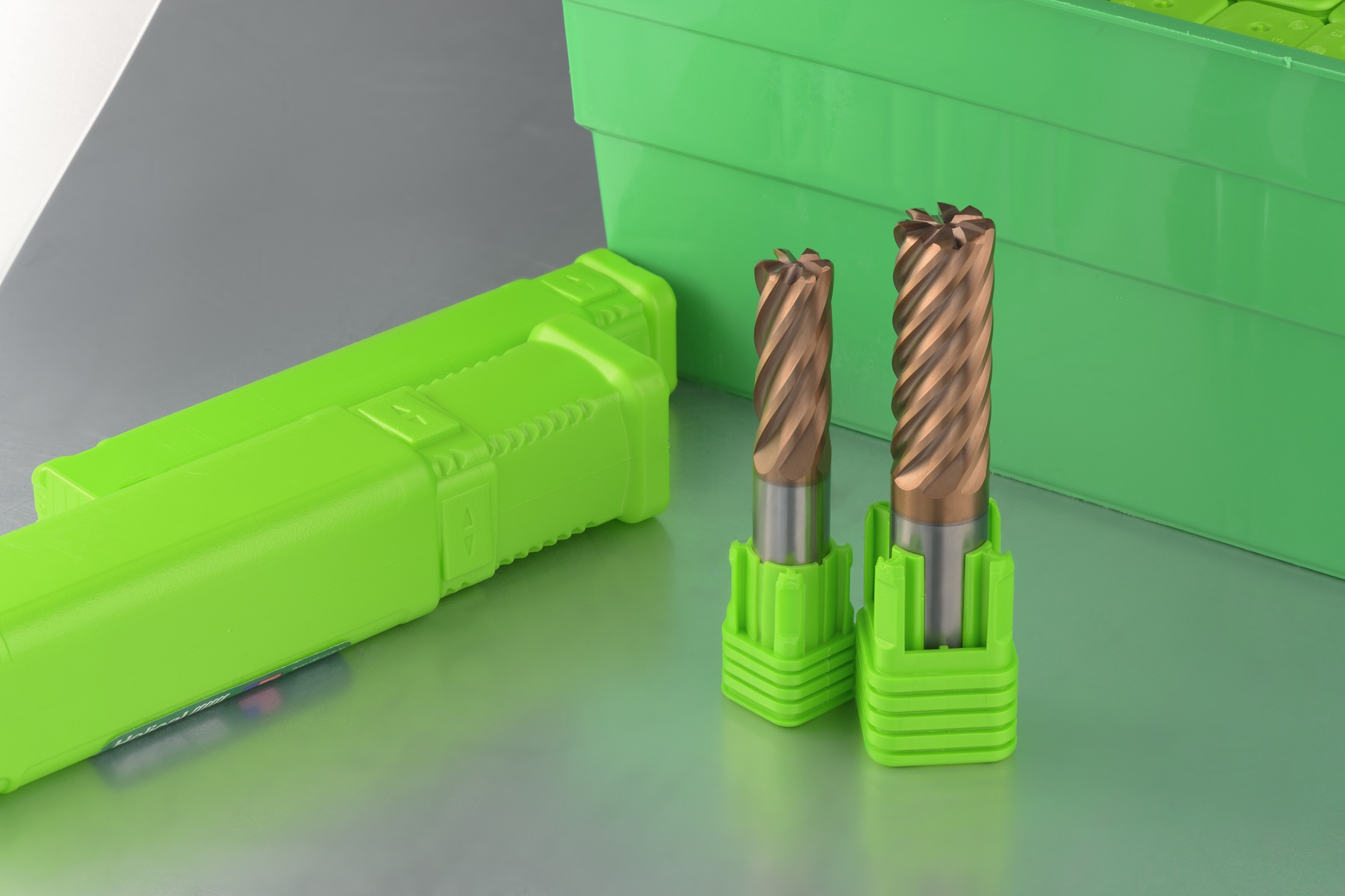
TaeguTec has recently added geometries (RCME, RCDE) and higher flute numbers (RDCF) to its DIA-MILL line, engineered explicitly for composite materials machining.
The RCME type is a multi-flute router design with a novel cutting edge shape optimised for medium-to-finishing applications, whereas the RCDE geometry combines the RCME cutting edge with a drilling cutting edge, allowing both drilling and slotting with a single end mill.
Completing the line up, the RDCF range is now available with six or eight flutes compared to the conventional four-flute designs. This is underpinned by a low helix angle that eliminates delamination and splintering when undertaking finishing applications. The composite-specific DIA-MILL line provides optimised cutting speeds for various composite materials, including CFRP and honeycomb structures commonly used in aerospace applications. The recommended cutting speeds for the series can range from 50 to 300 m/min, depending on the specific geometry and operation.
These specialised geometries address the unique challenges of composite machining, where fibre pull-out, delamination and poor surface finish can compromise component integrity. For aerospace manufacturers increasingly shifting toward carbon fibre and other composite structures, these tools provide the precision and reliability needed for critical components.
Targeted solutions for industry-specific challenges
The aerospace sector requires exceptional precision and consistency in production runs. Components must adhere to stringent quality standards, and manufacturers face pressure to decrease production costs and lead times.
TaeguTec’s modular systems offer aerospace manufacturers several key advantages, with demonstrated repeatability being a crucial factor.
Says Joy Ok: “Customers in the small parts sector will sample inspect a part after the first-off, then check again after 100 pieces, then after 1,000 pieces, and then after one month, they check again. For manufacturers that demand this level of consistent performance, precision and repeatability, the WINSWISS outperforms competitors over extended production runs.”
The modular design minimises the tooling inventory required to support production. With a single shank that accommodates multiple head types, aerospace manufacturers can optimise their tooling inventory while preserving production flexibility.
Regarding the medical device manufacturing market, this advanced sector faces unique challenges due to difficult materials, intricate geometries and strict regulatory requirements. The shift toward smaller, more complex components aligns with TaeguTec’s specialised offerings.
In this industry, TaeguTec tools demonstrate enhanced process stability. The precise clamping mechanism guarantees consistent performance, which is critical when producing medical implants and devices that must meet exacting tolerances.
Future innovations
Looking ahead, TaeguTec is exploring the integration of AI capabilities with its tooling innovations.
“We have a plan to develop with AI technology,” confirms Joy Ok. “This forward-thinking approach aligns with Industry 4.0 principles and includes aspects like real-time monitoring with systems that can track tool performance and predict wear before it impacts part quality.”
Conclusion
TaeguTec’s WINSWISS and DIA-MILL product lines represent advancements in sliding-head and small part machining technology. By addressing the fundamental challenges of downtime, skill requirements and manufacturing flexibility, these tooling systems enable manufacturers to meet increasingly demanding production requirements. As manufacturing continues to evolve, TaeguTec says its commitment to innovation positions the company at the forefront of precision tooling technology, as highlighted by its extensive catalogue for micro-machining.
The expanding shank size options for the WINSWISS now include 10 and 20 mm diameter, and the exploration of AI integration demonstrates the dedication to solving the most pressing challenges facing precision manufacturers. For aerospace, medical and composite manufacturing companies, these tooling advances offer more than incremental improvements – they represent transformative technologies that can fundamentally enhance competitiveness in increasingly demanding global markets.
Want to know more about this article?
Ask us below...