More parts, less drama: Siemens showcases ACM at MACH

2 Mins
Published in Events
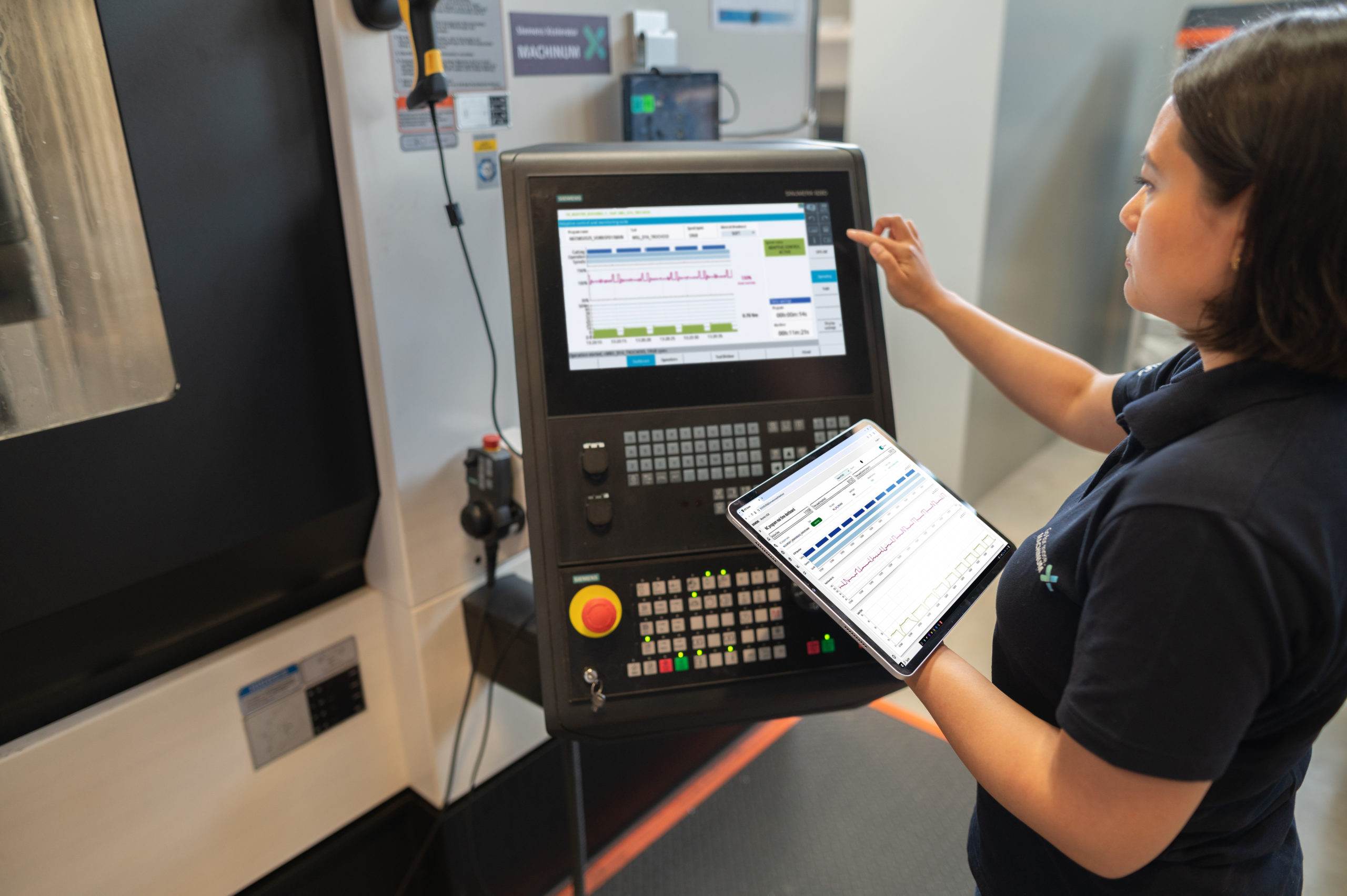
On the Siemens stand at the recent MACH 2026 exhibition in Birmingham, Adaptive Control & Monitoring was making a big statement: faster cycles, longer tool life and lower energy use, all without overhauling existing workflows
Modern manufacturing is becoming an increasingly difficult balancing act. Machine shops today are expected to improve productivity, reduce energy consumption, maintain part quality and minimise downtime, often while managing growing product complexity and shorter lead times. At the same time, many manufacturers are grappling with skills shortages and an overwhelming volume of process data that can be difficult to translate into meaningful operational gains.
It was against this backdrop at the recent MACH 2026 exhibition in Birmingham that Siemens’ Adaptive Control & Monitoring (ACM) attracted significant attention. Rather than presenting automation as a wholesale replacement for existing machining strategies, the conversation centred on helping manufacturers make smarter use of their existing machines, tooling and expertise. And the business case? Machine Tool Systems Business Manager Mark Coombes points to typical scenarios at SME manufacturers where gains in productivity and tooling pay back in months, not years.
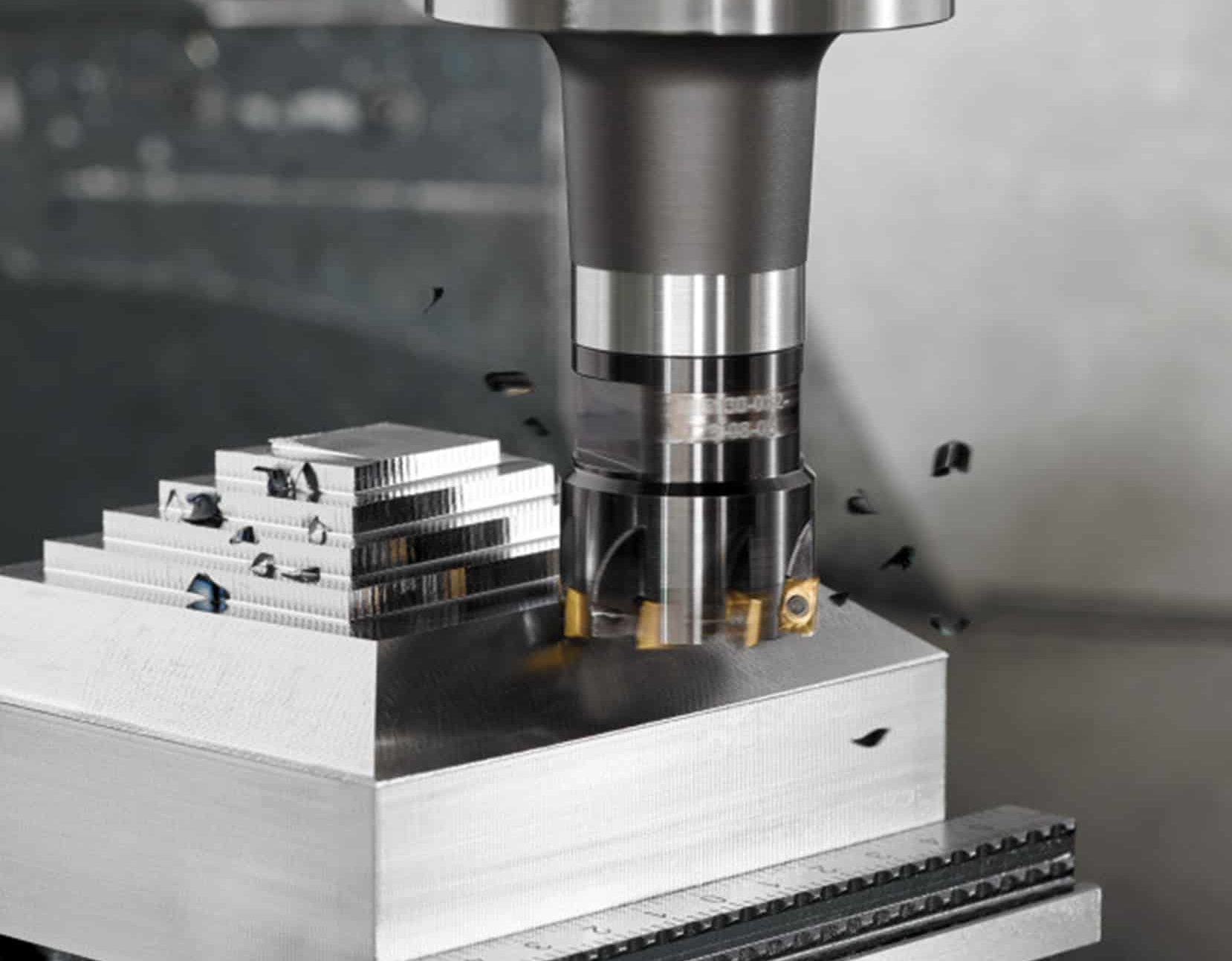
ACM works by reacting to changing cutting conditions in real time, helping manufacturers achieve faster cycles, longer tool life and lower energy use without overhauling established workflows or placing additional demands on operators.
“It’s like having a really experienced operator constantly supervising the feed-rate override,” states Mark. “Only this one never gets bored and reacts faster than any human could.”
The impact is immediate. More stable machining and less scrap. Siemens says users typically see productivity gains of 10-25%, depending on material, machine tool dynamics, tooling and initial programming strategy. Mark is also keen to highlight tool life as another big win: “By managing cutter load dynamically and spotting wear or breakage early, ACM helps you get the most out of every tool. And avoid expensive surprises.”
There’s also a growing energy angle. Independent tests by Vienna University of Technology show energy savings of up to 28% when machining with ACM, thanks to a more controlled and efficient cutting process.
Crucially, adopting ACM necessitates none of the usual integration headaches.
“There’s no need for PLC changes, no extra hardware and no rewriting of NC code,” Mark reveals. “If your machine has a SINUMERIK control [840D SL, ONE or 828D from software V4.95 onward], you’re ready to go.”
This low-friction approach also extends to daily use. Operators don’t need to oversee the machine, supporting more unattended machining, while built-in safety features are in place in if anything drifts.
“It’s about reducing the burden on people as much as improving the process,” he concludes. “You’re capturing knowledge in the system and making it available every time you run the job.”
Want to know more about this article?
Ask us below...