Improving verification, communication and usability in modern CAM workflows

4 Mins
Published in CADCAM & Software
Artificial intelligence is becoming an increasingly visible topic in manufacturing software, but many machine shops are still asking a practical question: where does it genuinely help in day-to-day programming work?
For most manufacturers, the answer is unlikely to be autonomous machining decisions. The more immediate challenge lies in something far more familiar to CNC programmers: the time required to prepare, review and communicate reliable programs before a job reaches the machine.
As parts become more complex and machining strategies more sophisticated, programmers spend increasing amounts of time navigating CAM software, reviewing simulations and ensuring operators clearly understand how a process will behave once cutting begins.
In many machine shops, the limiting factor is no longer machine capability but the preparation work that happens before a program ever reaches the machine.
At the same time, the demands placed on programming teams continue to grow. Multi-axis machining, tighter tolerances and longer operation sequences mean that fewer programmers are often responsible for preparing and supporting a larger number of jobs within tighter production schedules.
In response, CAM systems are evolving beyond their traditional role as programming tools. Increasingly they support the wider preparation process, helping programmers verify machining strategies more efficiently while improving communication between programming and production teams.
Recent developments in Hexagon’s EDGECAM reflect this shift. The latest release introduces several practical improvements aimed at reducing friction in everyday programming work, alongside a new assistant feature that makes complex CAM software easier to navigate.
Keeping simulation review in the programming flow
Simulation remains one of the most important stages of CNC program preparation. Programmers rely on it to verify toolpaths, confirm fixture clearances and ensure machining strategies behave as expected before the program reaches the machine tool.
However, reviewing simulations can interrupt programming flow when dealing with complex parts containing many operations. In many CAM systems, revisiting an earlier stage of the machining sequence requires replaying large sections of the simulation before reaching the point that needs inspection.
The latest EDGECAM release addresses this by storing simulation snapshots at each tool change. These snapshots allow programmers to move backwards through the machining sequence almost instantly rather than waiting for the system to rewind the entire simulation.
In complex programs, rewind times that previously took around 30 seconds can drop to close to 1 second. For programmers reviewing long operation sequences, this change makes verification far less disruptive and allows simulation review to remain part of the natural programming workflow.
Giving operators a clearer view before cycle start
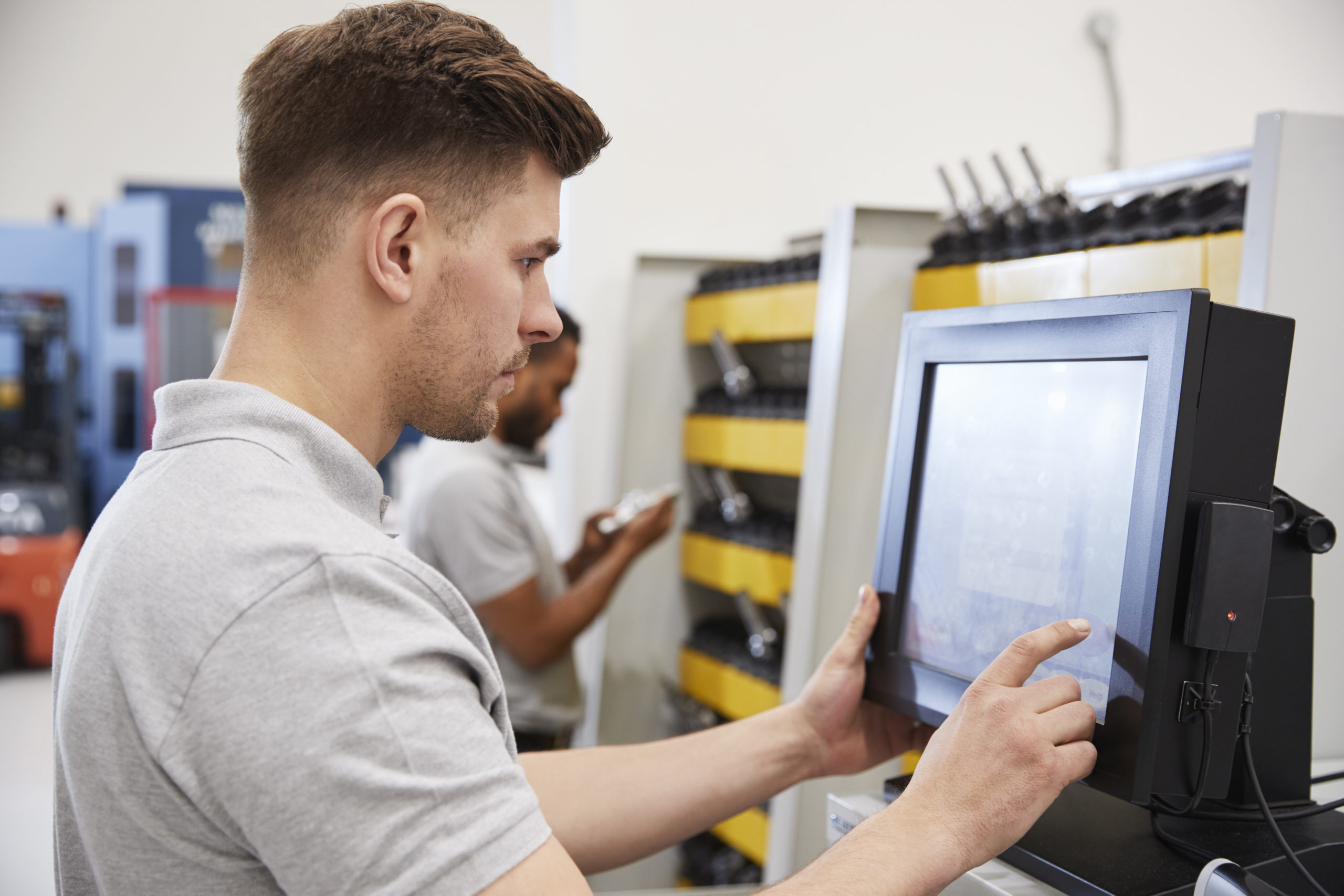
Preparing an accurate NC program is only part of the task. Once the program reaches the shop floor, operators still need a clear understanding of how the machining process will behave.
This is particularly important when working with complex fixtures, multi-axis strategies or safety-critical components. Written notes or static screenshots can provide context, but they rarely show the full behaviour of a machining strategy.
To improve communication between programming and production teams, EDGECAM now allows full lightweight 3D machine simulations to be recorded and embedded directly into Live Job Reports. These reports can be shared with operators, who can review the machining process through a web browser even without knowledge or access to the CAM software itself.
Within the report, operators can rotate the simulation, zoom into key areas and move through the machining timeline to understand how the job will run before the machine cycle begins.
For complex set ups, this additional visibility helps reduce uncertainty during setup and gives operators a clearer picture of the programmed process.
Clear visual communication is becoming increasingly important as manufacturers adapt to changing workforce dynamics. When experienced machinists retire or move roles, tools that make programming intent easier to understand help maintain consistency across the shop floor.
Refining machining behaviour on the shop floor
Alongside improvements to verification and communication, the latest EDGECAM release also introduces refinements across several machining strategies aimed at improving cutting performance and process stability.
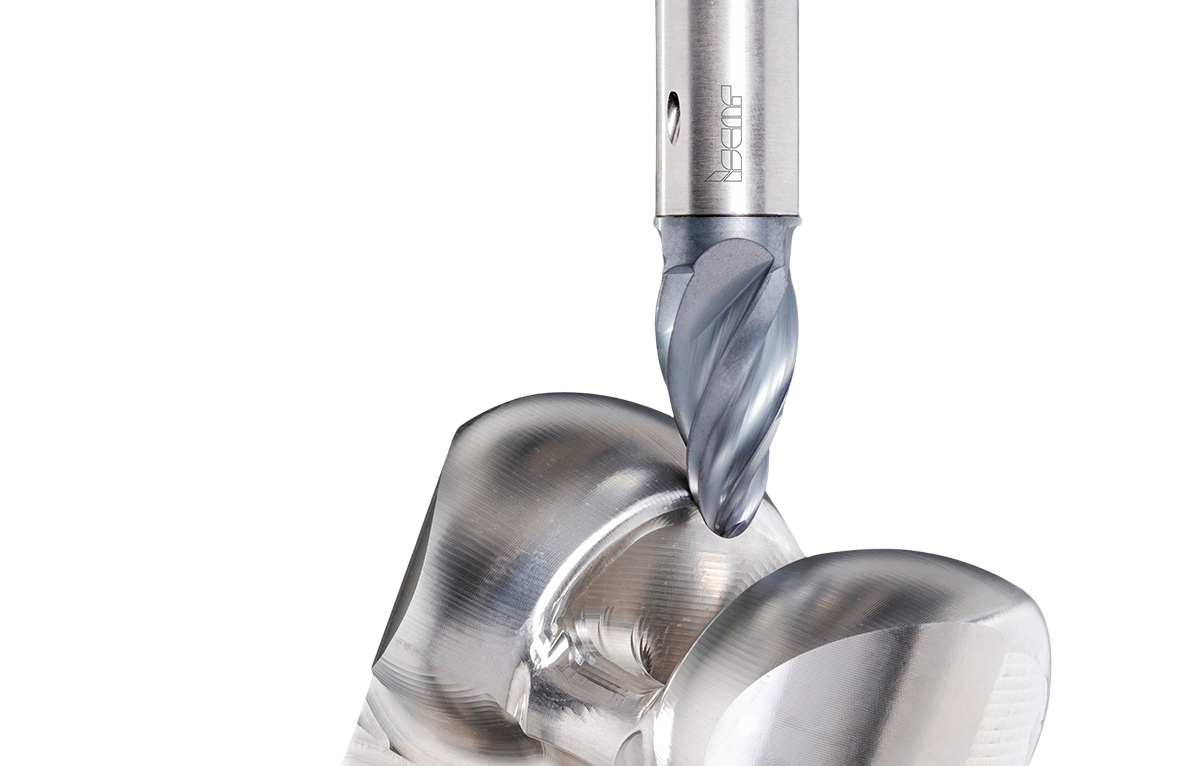
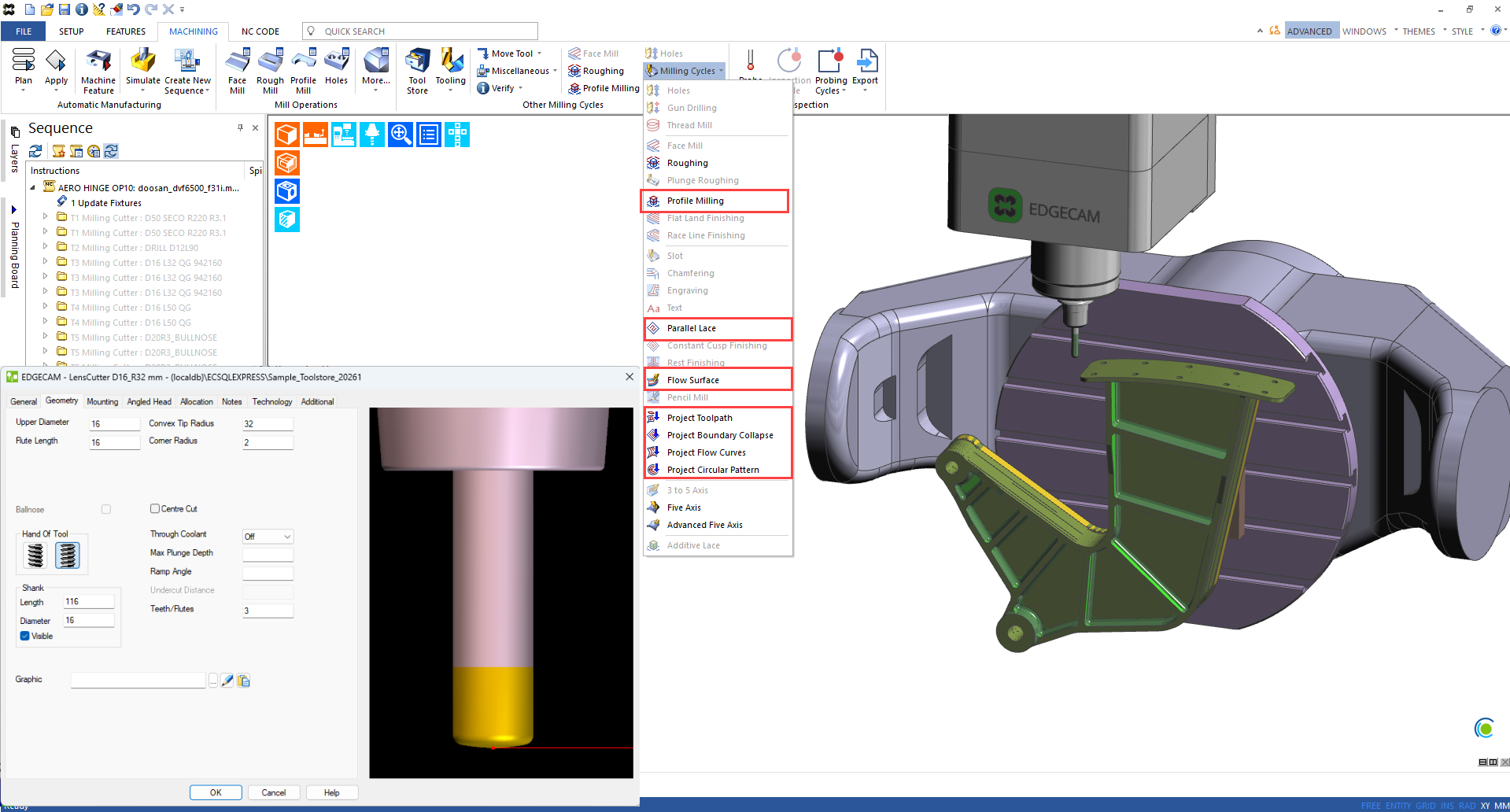
These include support for lens tools within the Parallel Lace cycle, smoother roll-in movements during Face Milling operations, improved holder-aware collision avoidance within Rest Roughing and expanded Race Line controls that allow more selective finishing operations.
Individually these changes are incremental. Taken together they contribute to more predictable machining behaviour, improved surface quality and better tool engagement.
For programmers, refinements of this kind can reduce the need for manual adjustments during set up and help produce more stable machining processes directly from the CAM system.
A practical entry point for AI in CNC programming
As CAM systems have grown more capable, another challenge has emerged: navigating increasingly complex software efficiently.
Modern CAM platforms offer a wide range of machining strategies, automation tools and configuration options. While these capabilities are valuable, locating the right function or identifying the correct settings can take time.
To address this, the latest EDGECAM release introduces Hexagon Copilot for EDGECAM. The assistant provides natural-language guidance within the software, allowing programmers to locate functions, ask questions and access help without leaving the interface.
Rather than automating machining decisions, the goal is to simplify interaction with the system. Programmers can find the tools they need more quickly and spend less time searching menus or documentation.
For many manufacturers, this type of assistance represents a practical first step in applying artificial intelligence within the machine shop. Instead of attempting to replace programming expertise, it helps programmers make better use of the capabilities already available within modern CAM software.
Building confidence before machining begins
Across modern machine shops, manufacturers are placing greater emphasis on preparation work that reduces uncertainty before a job reaches the machine tool.
When materials are expensive and production schedules tight, confidence in the NC program and machining strategy becomes essential.
Improvements that accelerate simulation review, strengthen communication between programming and production teams and simplify interaction with complex CAM systems all contribute to that confidence.
By reducing friction in program preparation, manufacturers can move from part model to production-ready NC code more efficiently while maintaining visibility and control across the machining process.
Hexagon will be demonstrating the latest EDGECAM capabilities at MACH 2026.
Want to know more about this article?
Ask us below...