Driving sustainable practices in manufacturing

3 Mins
Published in Green Manufacturing

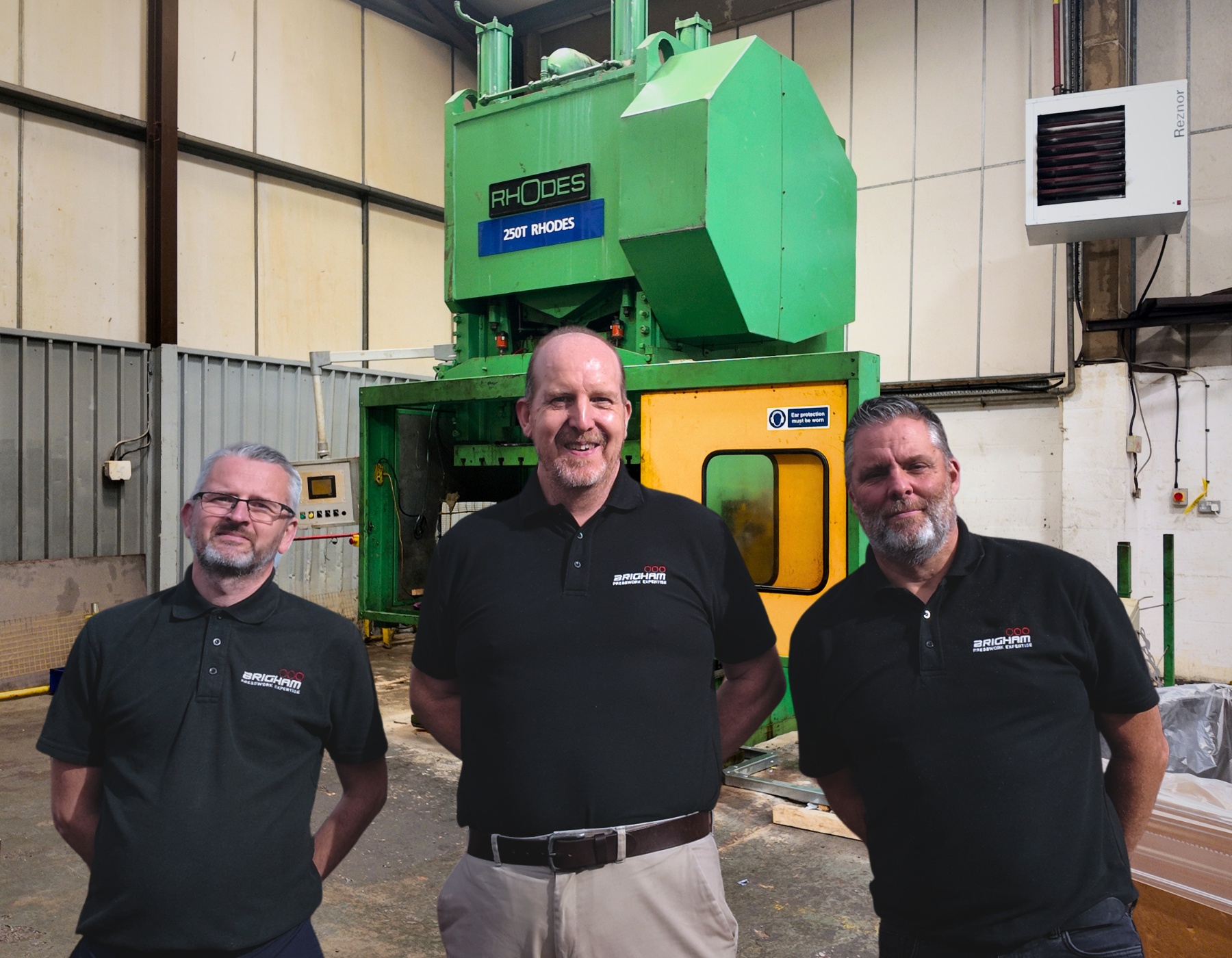
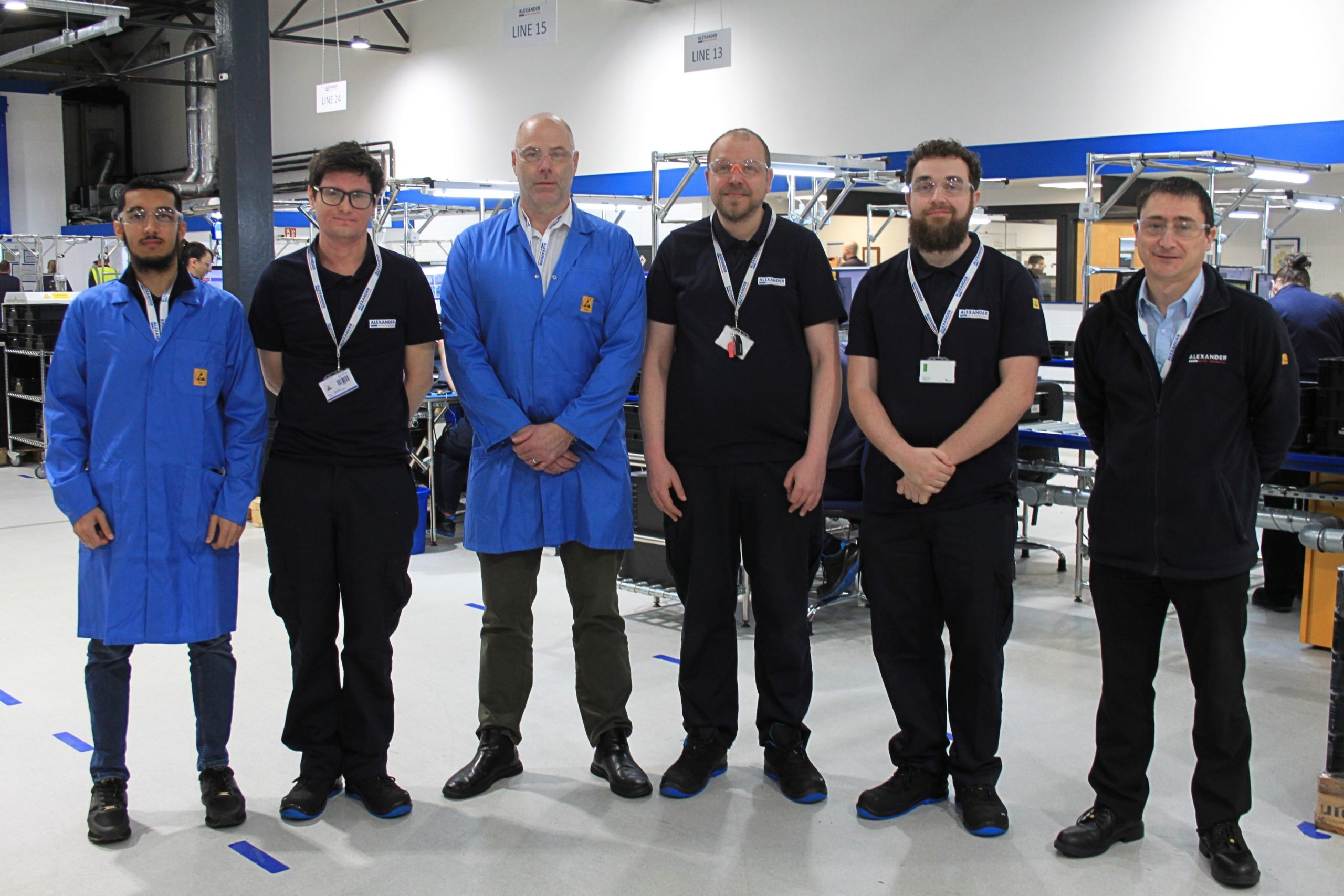
Sustainability and environmental responsibility have become a cornerstone of business practice. They are no longer a ‘nice to have’, but something that is essential for remaining competitive and aligning with government ambitions to reach net zero by 2050, as Julie Chapman (pictured), Head of Manufacturing and Engineering at Duncan & Toplis reveals in this article.
Manufacturing is an extremely energy intensive industry – government data shows that the sector emitted approximately 71 million tonnes of CO₂e in 2023 – so decarbonising is no mean feat. But with Industry 5.0 paving the way for a new era of manufacturing, technology is transforming the industry’s ability to operate more sustainably.
The concept of Industry 5.0 was introduced in 2021, dubbed the ‘fifth industrial revolution’, addressing sustainability and how industry can improve society. It follows Industry 4.0, which was focused on internet-connected industrial devices and the integration of business operations.
And improving the sustainability of manufacturing is not just about contributing to a healthier planet – implementing environmentally-driven practices can also streamline processes, presenting an opportunity to future-proof strategies and secure financial growth.
Seeking sustainable growth
Manufacturers across the UK are building sustainability into their everyday practices, both in and out of the factory environment, to create products in a way that minimises environmental impact and conserves resources for future generations.
Technology
Industry 5.0 has a heavy focus on robotics, bionics and people working together to improve the sustainability of the industry. As processes become more and more automated with ultra-modern facilities and technologies, they also become more efficient. By leveraging software like AI and the IoT, manufacturers can reduce energy and resource consumption, minimise waste through precision and optimisation, and improve efficiency in processes and supply chains.
Reshoring
Encouraging UK production is firmly on the agenda and manufacturers across the UK are championing British-made goods, with sustainability being a key driver. There are huge environmental benefits to producing goods close to where they are used, such as reduced transportation. By producing goods domestically, rather than relying on carbon-intensive global supply chains, manufacturers significantly reduce emissions and support the UK’s commitment to achieving net zero.
Renewable energy
The UK’s manufacturing sector is being increasingly supported to make the switch to renewable energy through government investment and policy shifts. Manufacturers are using renewable sources like wind, solar and hydro to power their factories and, with significant investment going into the supply chains for offshore wind, carbon capture and storage, and hydrogen, industry can expect to see more manufacturers using these in the future.
Product design
With environmental responsibility high on the agenda, manufacturers now design their products with sustainability in mind. Ensuring raw materials are sourced responsibly and switching to materials that are recyclable or made from recycled materials significantly reduces the carbon footprint of a product. The same goes for the packaging it’s distributed in – for example, making the switch to cardboard and paper packaging instead of plastic, which can be reused and recycled.
Transport and logistics
Of course, manufacturing isn’t just about what happens on the factory floor – transport and logistics play a big part in getting the products out to customers. Whether it’s transporting raw materials or shipping out your products to retailers, travel miles significantly contribute to the carbon emissions in the manufacturing industry. Switching to electric or hybrid vehicles can reduce emissions, as does using alternative fuels like biodiesel, or utilising other forms of transport like high-speed rail. Switching to more sustainable practices across these areas not only reduces manufacturers’ impact on the planet, but it also provides a financial benefit.
Improving efficiency through technology, reducing reliance on global supply chains and improving energy efficiency all lead to cost savings for the wider business. What’s more, finding an innovative solution to reduce environmental impact can open up opportunities for tax relief. The Government offers R&D tax relief for businesses which find solutions to overcome scientific or technological problems, or boost efficiency. The solution must have an impact on not only the business itself, but also the wider field of science or technology. It could include:
● Creating a process, material, device, product or service that increases overall knowledge or capability
● Considerably improving an existing process, material, device, product or service
● Using science or technology to copy the effect of a current process, material, device, product or service in a new or improved way.
With this in mind, it’s clear to see that the case for ecological is also the case for
economical, as implementing sustainable practices can help to cut costs and reduce tax liabilities. What’s more, it can also create more resilient reserves, giving more scope for reinvestment to continually improve the business – resulting in better financial performance.
Manufacturing and engineering businesses face intense pressure to innovate,
remain cost-efficient and manage talent shortages – all while navigating technical
regulations and global competition. Duncan & Toplis offers tailored financial
strategies to support stability, productivity and progress across operations.
Want to know more about this article?
Ask us below...