Automation with purpose: Raising the bar in fastener manufacturing

2 Mins
Published in CNC Machining
Fasteners are rarely the headline act in engineering, but anyone who has had a project fail because of a sub-standard screw knows just how critical they are. Visitors to Fixfast’s new manufacturing facility in Aylesford, Kent, quickly realise the level of investment in processes, quality and engineering capability. Fastener manufacturing in the UK is clearly entering a new era.
Fixfast moved into the Aylesford site in early 2025, signalling a long-term commitment to domestic manufacturing. The facility functions as both a production hub and an engineering showcase. With everything from automated lines on the shop floor to customer engagement spaces, it becomes abundantly clear that Fixfast takes the engineering of fasteners seriously.
Bringing manufacturing home
The fastener industry has long relied on a patchwork of suppliers, with forming, heat treatment, coating and testing often carried out in separate locations. Fixfast has taken a different approach. All of these processes are consolidated under one roof, supporting full production control.
The facility operates one of the UK’s first fully compliant manufacturing cells for carbon steel screws. For engineers specifying roofing, cladding or façade systems, this is more than a point of pride. It ensures consistent performance, tight dimensional control and full traceability from raw material to finished fastener.
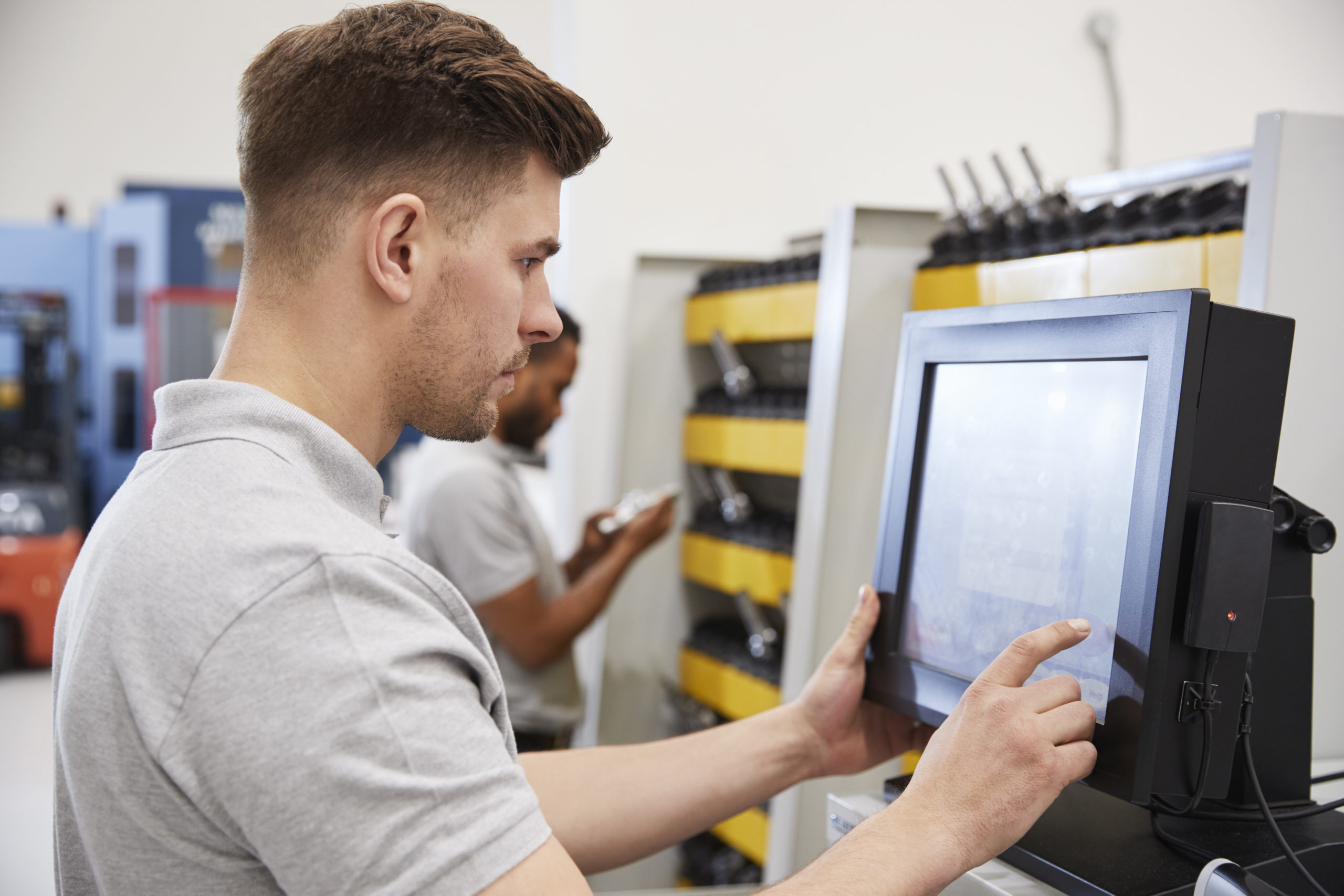
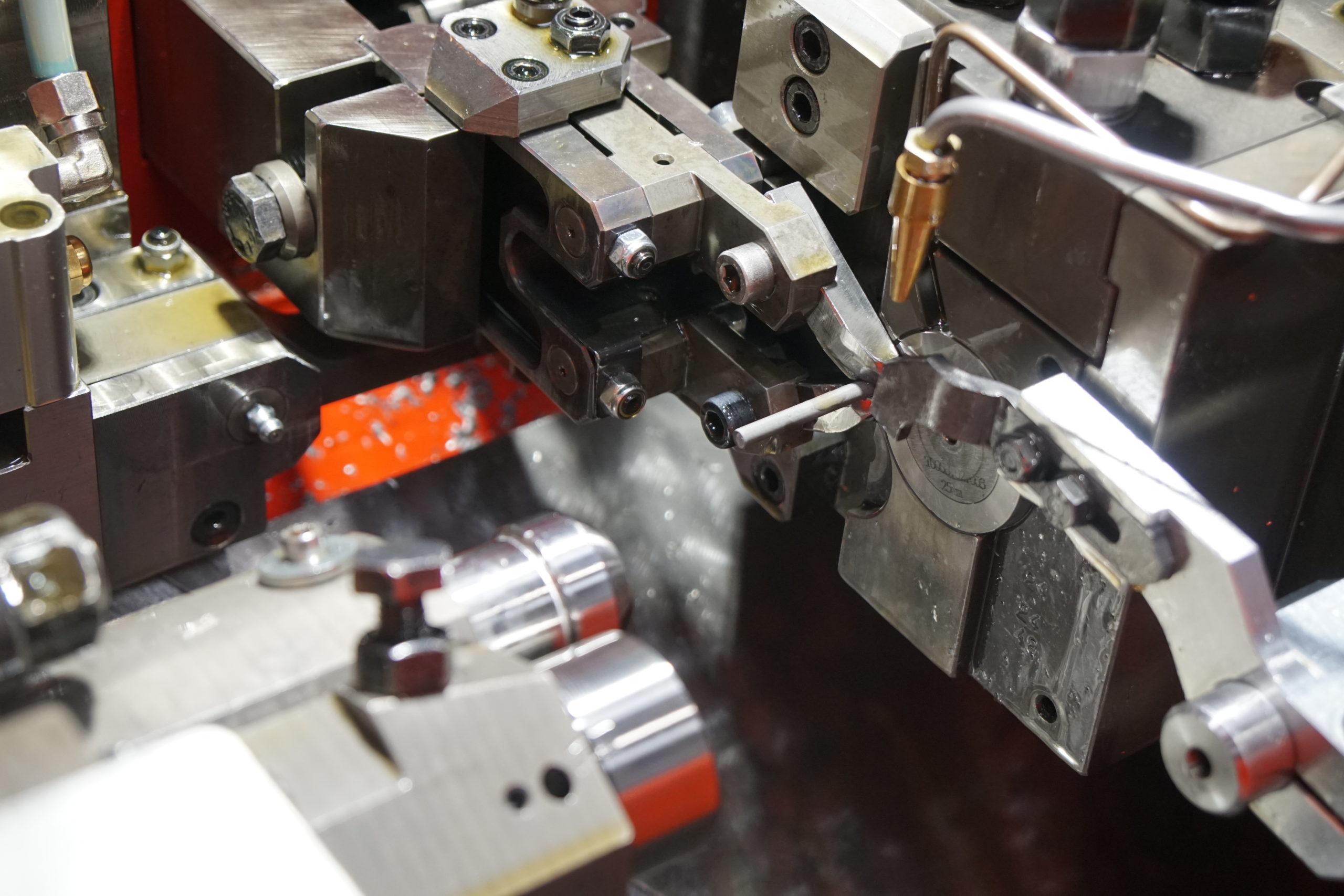
On the shop floor, the level of automation is impressive, but it’s the method of application that makes the difference. Wire drawing, cold heading and thread rolling are all highly automated, with continuous monitoring of parameters such as temperature, load and cycle time. Automation is not just about speed, it improves precision, repeatability and process stability. Digital monitoring captures data at every stage, creating batch-level traceability that is invaluable when engineers need evidence of performance or compliance.
Testing as part of engineering
The UKAS test laboratory accredited to ISO 17025 is more than a compliance facility. Mechanical testing, corrosion resistance checks and dimensional verification happen alongside production. This strategy allows rapid feedback between manufacturing and product development, and enables close collaboration with customers on bespoke solutions or application-specific performance requirements.
Testing is not a final hurdle but an integral part of the engineering process, reflecting a mindset that prioritises quality and reliability.
Built-in sustainability
Environmental responsibility is built into the design and operation of the Aylesford facility. Energy-efficient systems, optimised workflow and waste-reduction measures are all integrated. Process improvements aim to reduce material and energy use while maintaining mechanical properties. Sustainability is treated as an engineering challenge rather than a separate objective.
Watching fasteners progress from raw wire to fully formed, and tested components is more compelling than expected. Fixfast’s approach shows that domestic fastener manufacturing can compete on technical capability, consistency and traceability – not just cost.
For UK engineering, the facility sets a benchmark. It proves that even traditional, established products benefit from modern automation, process integration and in-house testing. It also highlights the value of investing in domestic capability to meet increasingly demanding performance and regulatory expectations.
Fasteners may be small, but the engineering behind them is vast. Fixfast’s Aylesford site demonstrates that with the right focus on process, quality and innovation, even something as familiar as a screw can be reimagined and elevated.
Want to know more about this article?
Ask us below...