A force for faster machining

2 Mins
Published in CADCAM & Software
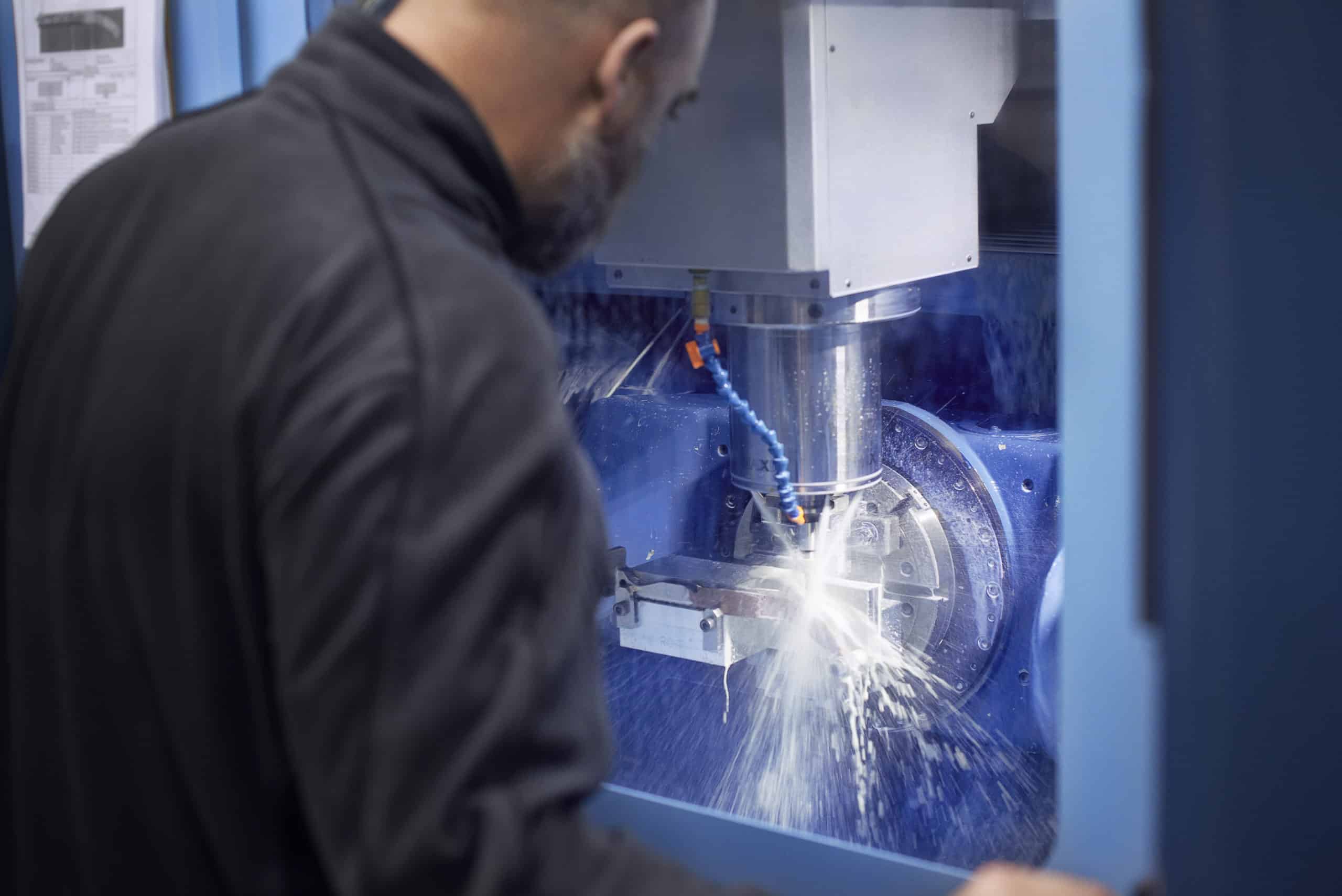
Enztec, a major manufacturer of orthopaedic surgical instruments, reports that Vericut Force machining optimisation software cut CNC cycle times by 16%, stabilised unattended machining and released more than 1,800 hours of annual machining capacity; all without adding machines or labour.
Based in New Zealand, Enztec operates in a highly regulated environment, producing both reusable and single-use instruments. According to the company, machining accuracy, surface finish and dimensional repeatability are not nice-to-haves, they directly influence product performance and patient safety.
To keep pace with growing global demand, Enztec has continued to invest in CNC machining and automation. However, as these systems evolved, one thing became clear: raw productivity on its own was not enough. Greater predictability and confidence in how machines and tools behave in real production conditions was essential.
Removing the risk
In automated and lights-out machining environments, unexpected tool wear or failure quickly becomes a risk to quality, safety and output. While traditional CAM systems are effective at generating toolpaths, they do not fully account for the real cutting forces and engagement conditions that occur during machining.
In practice, this gap often leads to conservative programming or time-consuming manual fine-tuning on the machine. Tools are protected, but productivity is left on the table and uncertainty around tool life remains.
The goal was to improve cycle times while also creating machining processes that were stable, predictable and suitable for extended unattended operation.
Physics meets programs
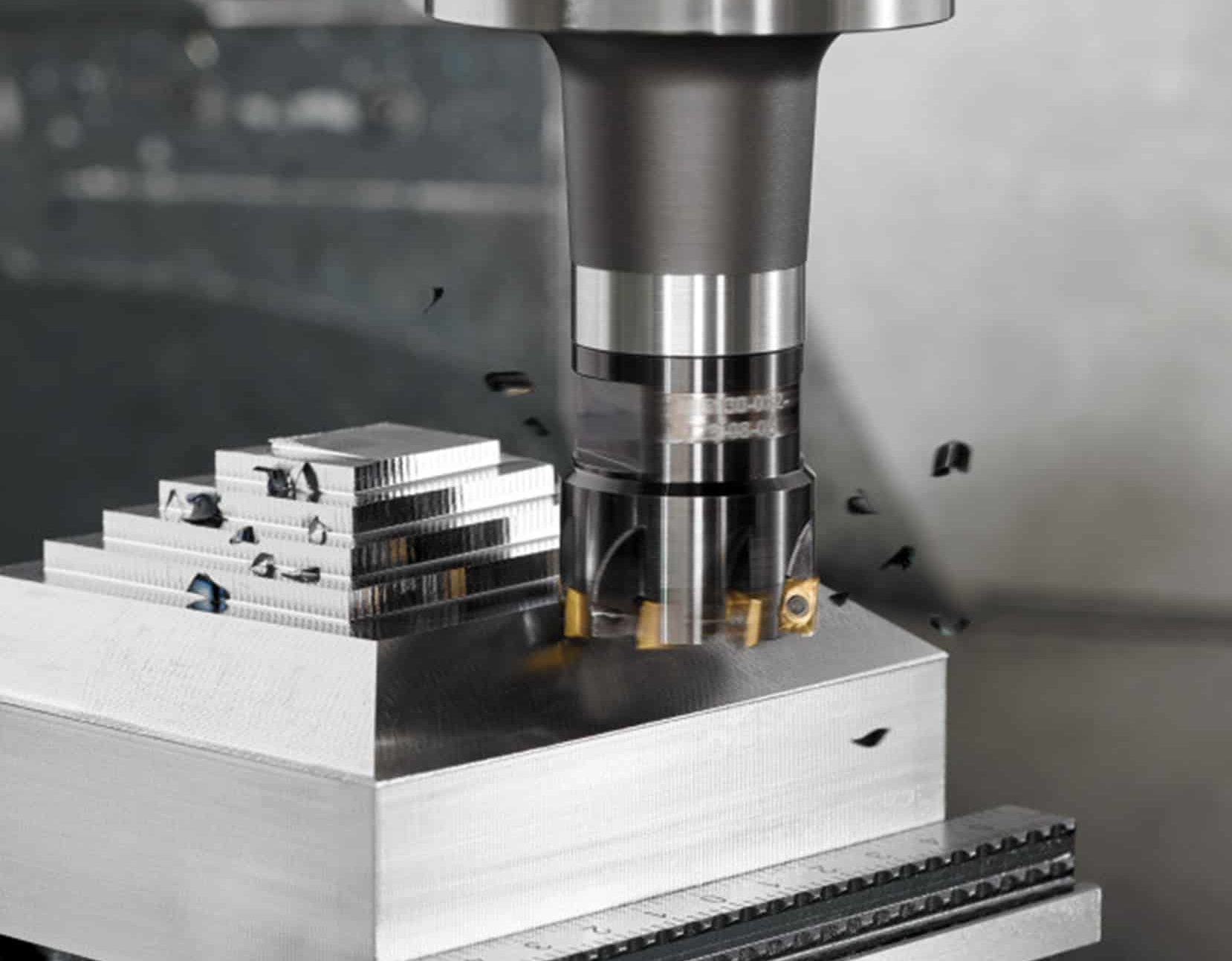
Enztec set about introducing Vericut Force into its programming and verification workflow. Rather than relying purely on CAM assumptions, the software simulates the real physics of cutting process. Using actual tool geometry, material properties and cutting conditions, Vericut Force calculates cutting forces, engagement, heat generation and chip formation for each toolpath.
Instead of applying a single feed rate or defaulting to conservative safety margins, the software dynamically adjusts feed rates to maintain a consistent cutting force and chip thickness. Where engagement is light, feeds increase to make better use of machine capacity. Where engagement rises, feeds reduce to avoid force spikes and excessive tool loading.
Shop-floor results
By applying force-based optimisation to its repeat-running production programs, Enztec has seen consistent and measurable improvements across machining operations. On average, the company achieved around a 16% reduction in cycle time on optimised programs, while maintaining stable cutting conditions and predictable tool behaviour.
Over the course of a year, these improvements have translated into more than 1,800 hours of additional machining capacity, increasing output without investing in additional machines or labour.
Equally important is the improvement in tool life consistency. By controlling cutting force and chip thickness, tool wear is more uniform. That uniformity enables production engineers to define tool life with confidence, reducing the risk of unexpected failures.
Leadership perspective
Enztec CEO Iain McMillan notes: “We rapidly saw positive results and impactful changes in how CNC programs were running in our production environment. Reviewing our production data, it’s clear to see the impact of this software and the cumulative savings we’ll continue to make.”
The benefits are also significant from a capacity perspective, as the company’s COO Laura Hill confirms: “Beyond the dollar savings from reduced cycle times, Vericut Force has already released capacity internally, helping reduce the need for additional capex as we keep pace with growing customer demand.”
Want to know more about this article?
Ask us below...