A change for the better at Cogsdill-Nuneaton

5 Mins
Published in CNC Machining
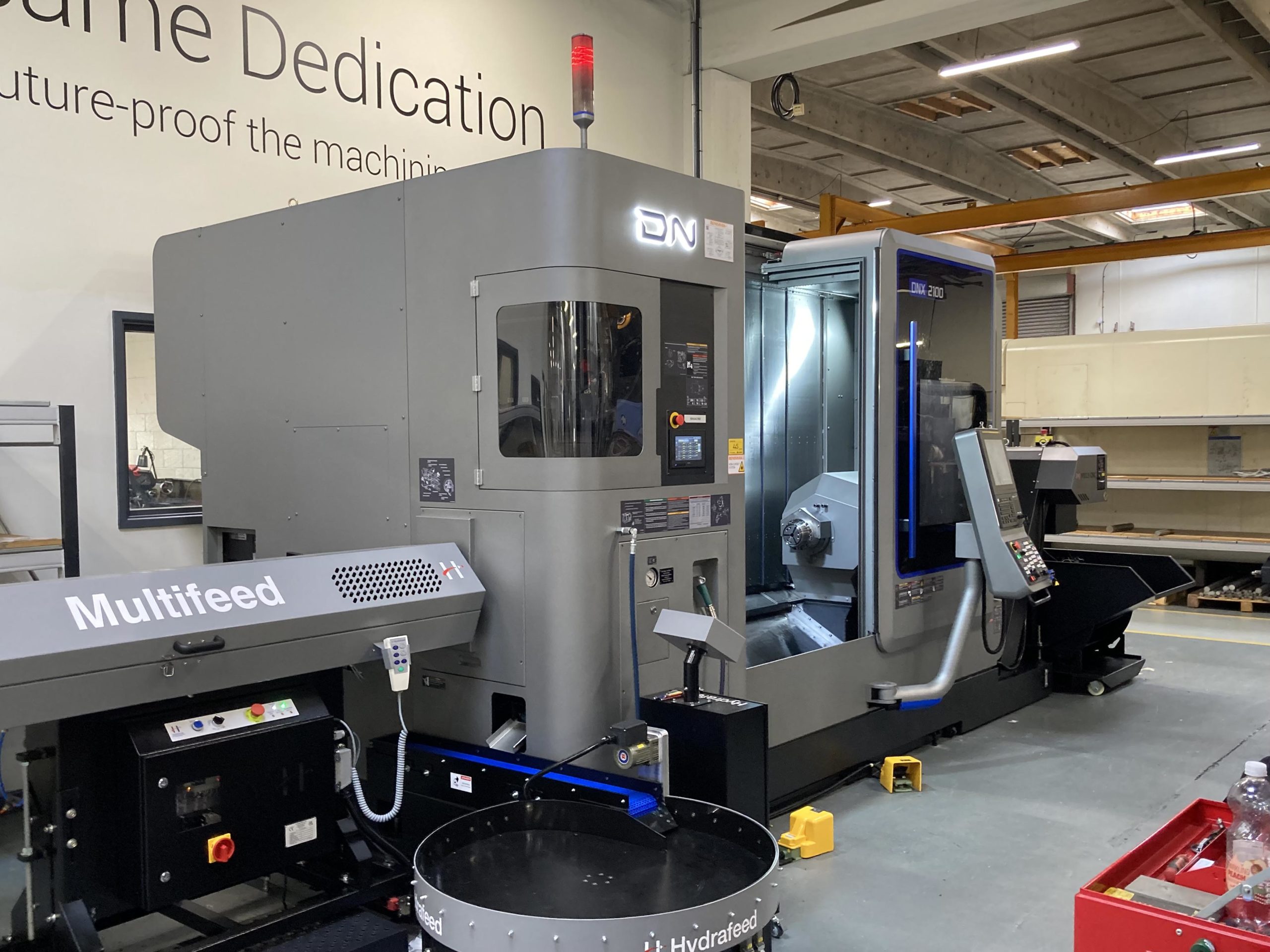
Cogsdill-Nuneaton’s recent investment in a new DNX 2100SB multi-tasking mill-turn machine from Mills CNC is helping the company strengthen its turned part processing operations. The new machine is a “technology centrepiece” in its drive to revamp machining operations, improve operational efficiencies and achieve lights-out, unattended production.
Only recently introduced into the UK and Irish markets by Mills CNC in the autumn of 2025, the DNX 2100SB is a mill-turn machine capable of machining complex, high-precision parts in one hit. In just a few short months, Mills CNC reports the DNX 2100 series of machines has gained significant traction in the market.
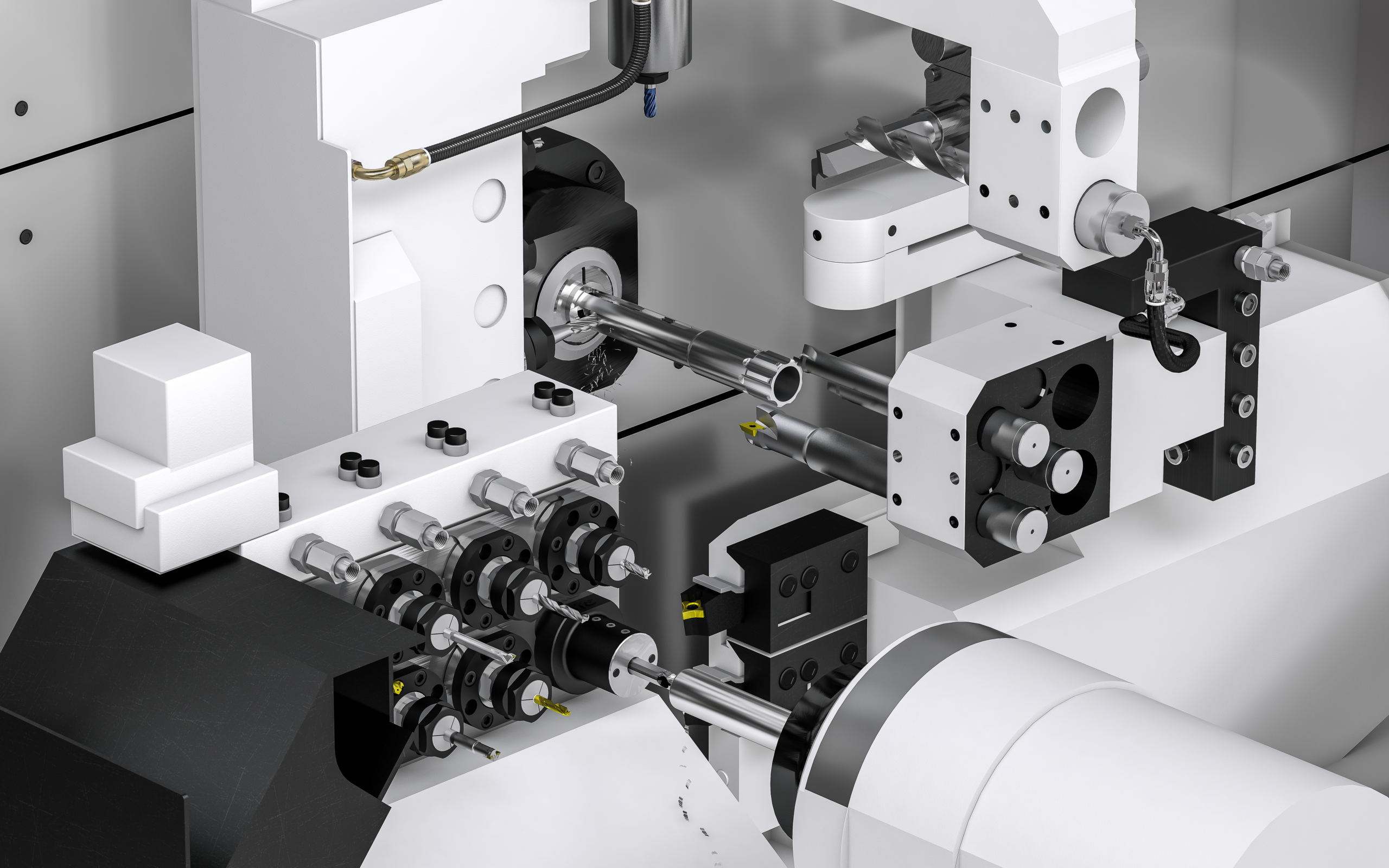
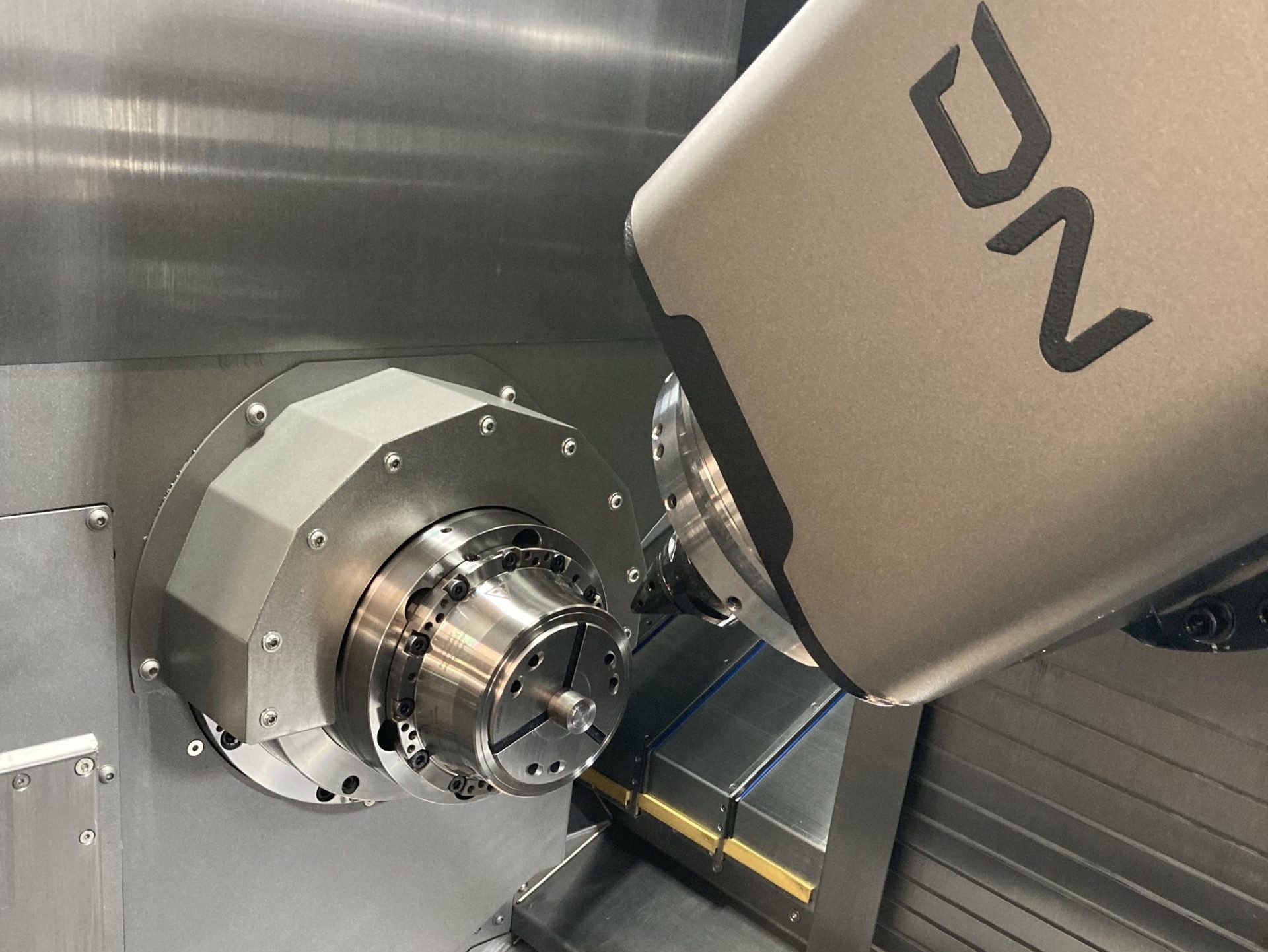
DNX 2100SB machines are equipped with 10” chuck/81 mm bar capacity main spindles and 8” chuck sub-spindles. They also offer an 18.5 kW/12,000 rpm B-axis milling head with a +/- 120-degree rotary/tilting movement range and 0.0001 degree indexing capabilities. In addition, users benefit from a 60-tool-position ATC and FANUC 0iTP control.
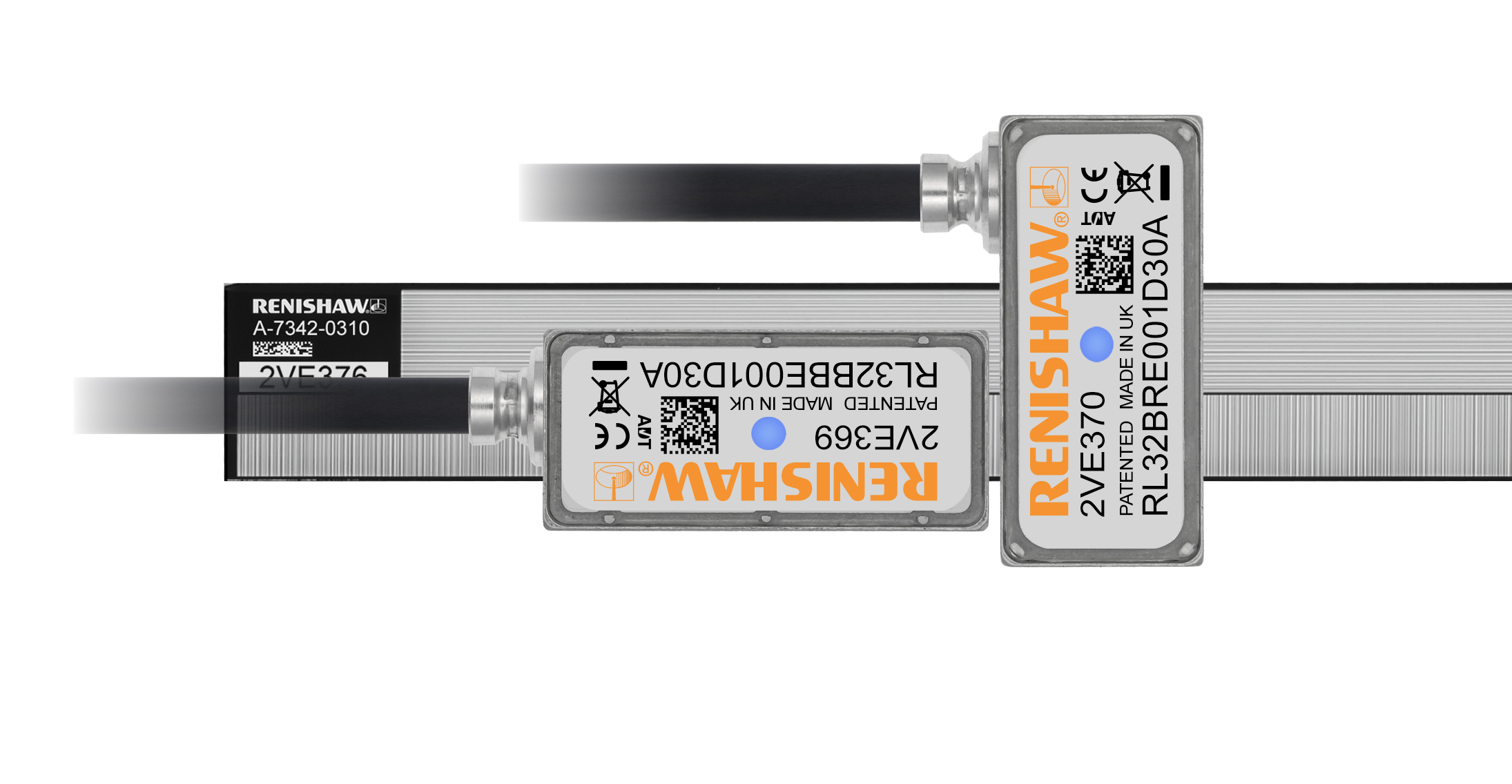
The machine supplied by Mills CNC to Cogsdill-Nuneaton also features a number of additional extras that include: a Hydrafeed (MultiFeed 80) short magazine bar feeder to facilitate continuous automated production; a Hydrafeed ‘Rota-Rack’ rotary parts accumulator for the safe transfer and storage of finished parts; a Renishaw RMP 60QE compact spindle probe with radio signal transmission for automated workpiece inspection and faster job set ups; and a Renishaw HPMA servo-driven, in-process, tool-setting and broken tool detection system.
The machine was installed at Cogsdill-Nuneaton’s 27,000 sq ft facility in December 2025, just before the Christmas break, and was, at that time, the first DNX 2100 model to be purchased and installed anywhere in the UK or Ireland.
Cogsdill-Nuneaton and relationship with Mills CNC
Although Cogsdill-Nuneaton is no stranger to mill-turn machine tool technologies, the DNX 2100SB is the first multi-axis/multi-tasking machine the company has acquired from Mills in its 45-year history.
Says Lee Donaldson, Cogsdill-Nuneaton’s Managing Director: “Our relationship with Mills CNC stretches back over many years. We’ve supplied, and continue to supply, many of Mills’ machine tool customers with our standard and custom precision tooling solutions. We also work collaboratively with DN Solutions in its own right, as well as with Mills’ applications engineers and sales staff on complex turnkey projects.”
Cogsdill-Nuneaton’s partnership with Mills was further strengthened back in 2018 when, following an internal audit into the company’s CNC milling capacity and capabilities, the decision was made to invest in a new, large-capacity (Doosan) DNM 6700 vertical machining centre.
Such was the high-performance and reliability of this first machine that, against the backdrop of increasing sales and a drive for further efficiencies, Cogsdill-Nuneaton soon followed up its first DNM investment by acquiring three more DNM machines in fairly quick succession: a second DNM 6700 was acquired in 2022 and two smaller DNM 5700 machines were acquired in 2023.
The company’s decision to invest in a new DNX 2100SB in 2025 was therefore ‘not a bolt out of the blue’, but was a combination of its previous positive experiences with Doosan machine tools and of being exposed to Mills’ pre- and after-sales services and support.
New machine investment: The need
Cogsdill-Nuneaton is a company committed to continuous improvement and, as such, regularly invests in its people, in its plant and equipment and in its systems and processes.
With domestic and international demand for its standard and custom precision tooling systems and solutions on the rise, the company in mid-2025 undertook an audit into its turning operations to identify actual and potential production bottleneck and pinch points that, if not addressed, could have a detrimental impact on production and the company’s ability to meet customers’ lead times.
“We have an extensive product range – and demand for our standard burnishing, de-burring, reaming and recessing tools, and ZX tooling systems is at an all-time high,” reveals Lee. “It’s a similar situation with our customised tooling solutions.”
He continues: “Recent and ongoing moves to develop and exploit business opportunities in new international markets, combined with a stronger and more active presence across a number of social media platforms and channels, have further increased demand for our products and solutions. As a consequence, pressure has increased on our UK manufacturing operations and resources.
“To avoid any supply-side issues moving forward, it was important that the capacity and capabilities of our machine shop, specifically our in-house turning resource, was up to scratch, and that any process inefficiencies were addressed sooner rather than later.
The audit: The results
The audit revealed issues with Cogsdill-Nuneaton’s turning section, specifically an over-reliance on (two) older CNC lathes, which were slower and more prone to breakdown. Another primary issue was labour-intensive practices (namely manual part loading and unloading operations) that were affecting throughput, productivity and the cost-per-part.
A secondary but, never-the-less, important challenge concerned the existing skills and knowledge of turning operators, which were effectively tied to a specific machine tool manufacturer’s machines and control system. This situation was comprising the company’s future machine tool acquisition strategy and limiting its ability to attract, recruit and retain top CNC lathe/mill-turn programmer talent.
Explains Lee: “We clearly needed to replace the older CNC lathes but, rather than adopt a ‘like-for-like’ approach, decided instead to invest in multi-tasking machine that would enable us to phase out older models and machine precision parts far more quickly and efficiently in one hit, with minimal labour intervention. We also made the decision to go for a FANUC-controlled machine, not only because we had experience of FANUC systems with our four DNM vertical machining centres, but also to widen the recruitment net and broaden our appeal to qualified and experienced ISO programmers.”
The DNX 2100SB
Cogsdill-Nuneaton contacted Mills CNC to discuss its requirements further, and to find out more about the recently-launched DNX 2100 series of mill-turn machines.
“I saw a Mills advertisement and watched a video on the new DNX 2100 – and I liked what I saw,” he recalls. “The machine not only looked the part but from a specification, capacity and availability perspective, ticked all the right boxes. In addition to the machine’s direct-drive spindles and B-axis milling head, the DNX 2100SB’s 60-tool position ATC was a welcome feature that would facilitate uninterrupted production and enable us to machine small batches, quickly and efficiently, without having to stop the machine for re-tooling operations.
“Furthermore, because we already had experience of dealing with Mills and could vouch for their pre- and after-sales service and customer support, the investment in the DNX 2100SB soon became a ‘no-brainer’. We duly placed the order for the machine.”
To help bring existing staff in Cogsdill-Nuneaton’s turning section up to speed with a control system that was completely unfamiliar to them, Mills CNC organised short and intensive programmer and operator training sessions to ensure the machine could begin cutting metal as soon as it was installed.
DNX 2100SB in action
Since installation, the DNX 2100SB has been machining relatively simple turned parts for the company’s standard products, like burnishing tools, in small batches up to 200-off. These finished parts (shanks, cages, housings) are machined in a single set-up to tolerances of 0.01 mm), roundness of <2 µm and Ra 0.2µm surface finish.
Although only used to machine core product components at present, the intention in the future is that, when fully operational, the DNX 2100SB will be used to machine custom and special parts during the day and set up to machine standard components overnight – thereby achieving 24/7 continuous production.
“That’s the plan”, says Lee. “We’re not quite there yet, but everything is in place to make sure this happens in the next few months.”
Want to know more about this article?
Ask us below...